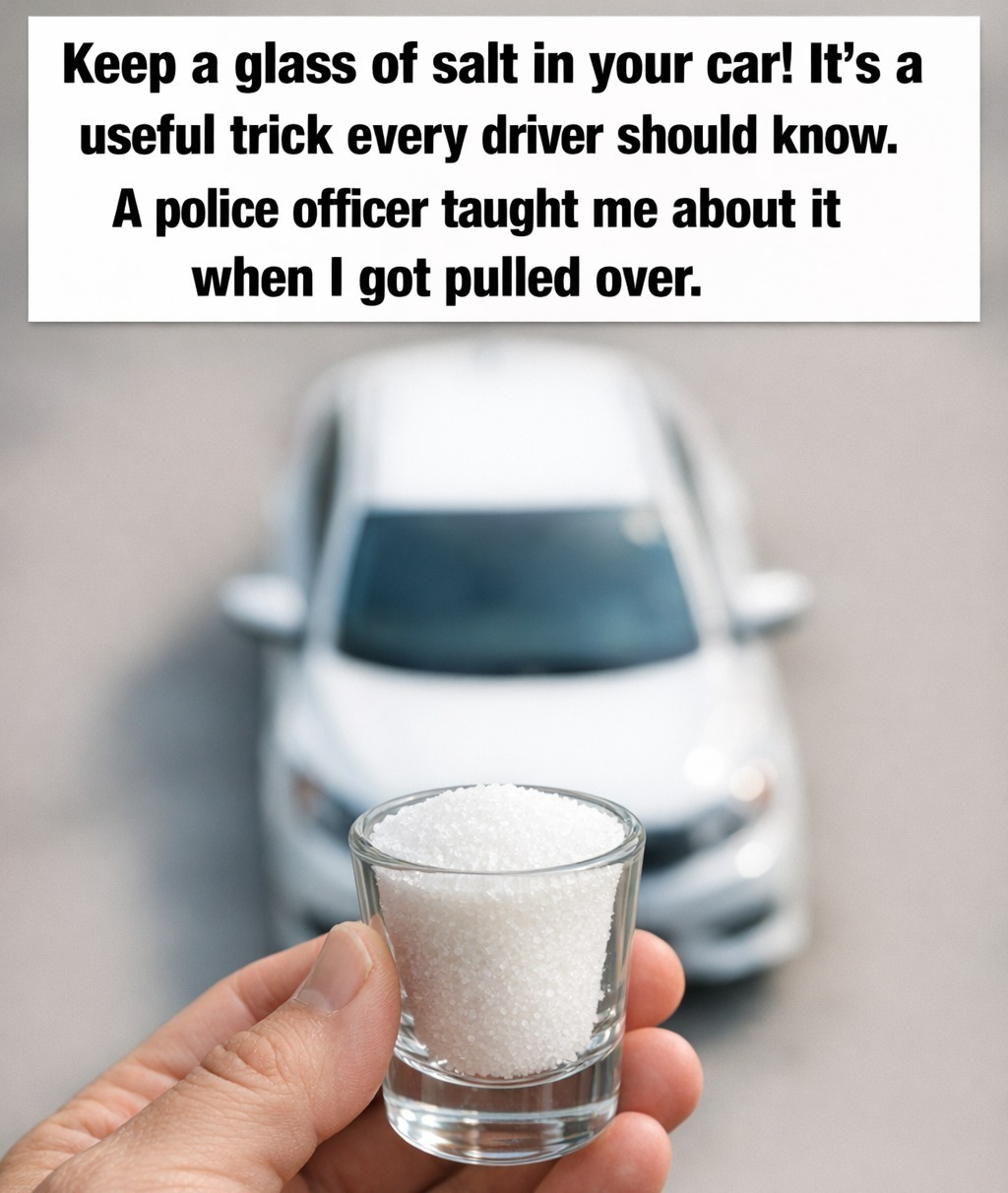
You know the scene all too well. It’s a chilly, damp morning, and you’re finally buckled into the driver’s seat, ready to go. But instead of a clear view of the road, you’re met with a stubborn, opaque film clinging to every window—inside and out. You crank the defroster, wipe furiously with your sleeve (leaving streaks, of course), and wait in frustration as the engine warms. That pervasive dampness does more than just fog your glass; it leaves a faint musty odor in your upholstery, makes cold seats feel clammy, and in colder climates, it can even lead to frost forming on the inside of your windows overnight.
What if the solution wasn’t a fancy chemical dehumidifier or running your AC for miles, but something already sitting in your kitchen cabinet? This isn’t a quirky old wives’ tale—it’s a simple, powerful hack rooted in basic science, and once you try it, you’ll wonder how you ever drove without it.
The Simple Science: How Salt Acts as Your Car’s Secret Humidity Buster
Salt isn’t just for seasoning. Plain table salt (sodium chloride) is hygroscopic. This scientific term simply means it naturally attracts and absorbs water molecules from the surrounding air. Think of it as a silent, passive sponge, constantly working to pull excess moisture out of your car’s interior environment.
By reducing that ambient humidity, you attack the root cause of several common problems:
- Foggy Windows: Less moisture in the air means less condensation can form on your cooler glass surfaces.
- Musty Odors: Mold and mildew thrive in damp environments. A drier cabin discourages their growth.
- Clammy Surfaces: Fabric seats, floor mats, and even leather stay drier to the touch.
- Interior Frost: In winter, by lowering the humidity inside, you drastically reduce the chance of frost building up inside your windows overnight.
Your Toolkit: What You Need & How to Set It Up
The beauty of this hack is in its utter simplicity and near-zero cost.
You Will Need: