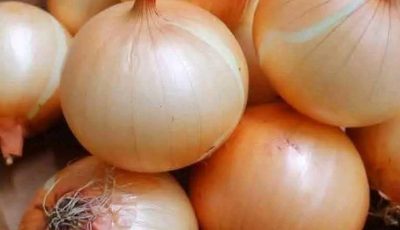
🧄 3. Garlic (and Allium Vegetables)
(Garlic, onions, leeks, shallots)
Why: Contains allicin and organosulfur compounds linked to reduced risk of stomach, colon, and prostate cancers.
How to eat: Crush garlic and let sit 10 minutes before cooking to activate beneficial compounds.
🥕 4. Carrots & Orange Vegetables
(Carrots, sweet potatoes, pumpkin, squash)
Why: High in beta-carotene and alpha-carotene—antioxidants associated with lower risk of lung, stomach, and prostate cancers.
How to eat: Cook lightly with healthy fat (like olive oil) to boost absorption.
🍅 5. Tomatoes (Cooked)
Why: Loaded with lycopene, a potent antioxidant that’s more bioavailable when cooked. Linked to reduced prostate cancer risk.
How to eat: Tomato sauce, soup, or roasted tomatoes > raw. Pair with olive oil.
🫘 6. Legumes
(Beans, lentils, chickpeas, peas)
Why: High in fiber and resistant starch, which feed gut bacteria that produce anti-inflammatory compounds. Fiber also helps regulate blood sugar and hormones tied to cancer.
How to eat: Aim for 3+ servings per week. Add to soups, salads, or grain bowls.
🌰 7. Walnuts & Other Nuts
Why: Contain omega-3s, polyphenols, and phytosterols that reduce inflammation and oxidative stress. Studies link nut consumption to lower overall cancer mortality.
How to eat: A small handful (1 oz) daily. Choose raw or dry-roasted—avoid sugary coatings.
🍵 8. Green Tea
Why: Rich in epigallocatechin gallate (EGCG), a catechin shown to inhibit tumor growth and support cellular repair.
How to eat: Drink 1–3 cups daily. Avoid boiling water—steep at 175°F (80°C) for best results.
🚫 What to Limit (Equally Important!)