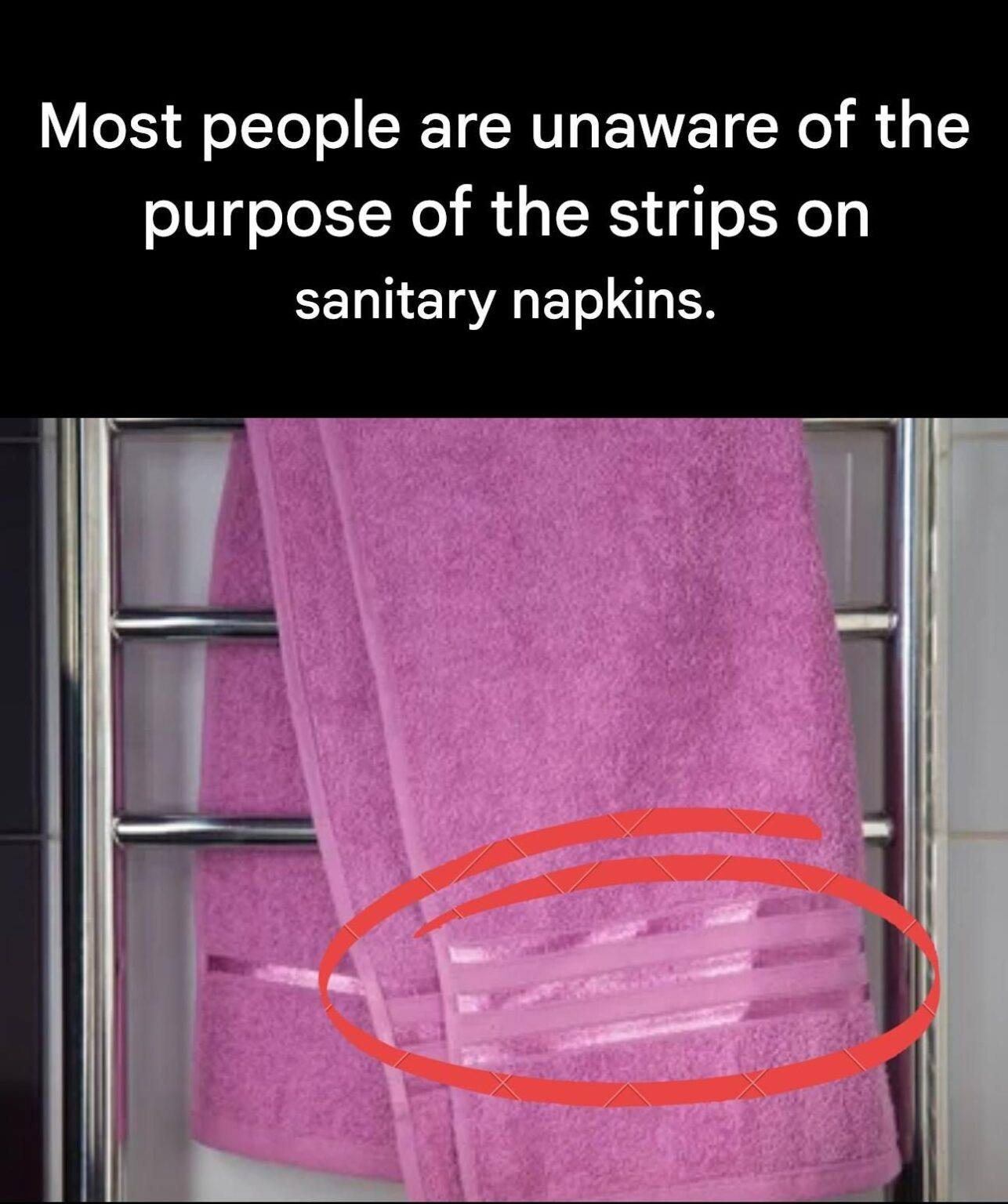
Understanding the Strips on Your Towels: Purpose, History, and Proper Care
If you’ve ever paused to notice the long, narrow strips that run along your bath towels — often woven in slightly different texture or pattern — you might have wondered: “Do these strips serve a purpose, or are they just decorative?”
It turns out, those seemingly simple strips, sometimes called towel hems, dobby borders, or selvedge stripes, are far more than aesthetic flourishes. They are carefully designed to enhance towel durability, improve washing performance, and even affect absorbency.
This comprehensive guide will explore:
- The history of towel strips
- Why manufacturers include them
- How they affect performance and lifespan
- Proper care to protect them
- DIY tweaks and upgrades for maximum absorbency
By the end, you’ll never look at your towels the same way again.
1. The Anatomy of a Towel
Before diving into the strips, it’s important to understand what a towel is made of:
Main Fabric: Terry Cloth
- Typically 100% cotton, but blends like bamboo, microfiber, or linen exist.
- Looped fibers create a high surface area, giving the towel its absorbent power.
- Loops trap water and allow quick drying of skin.