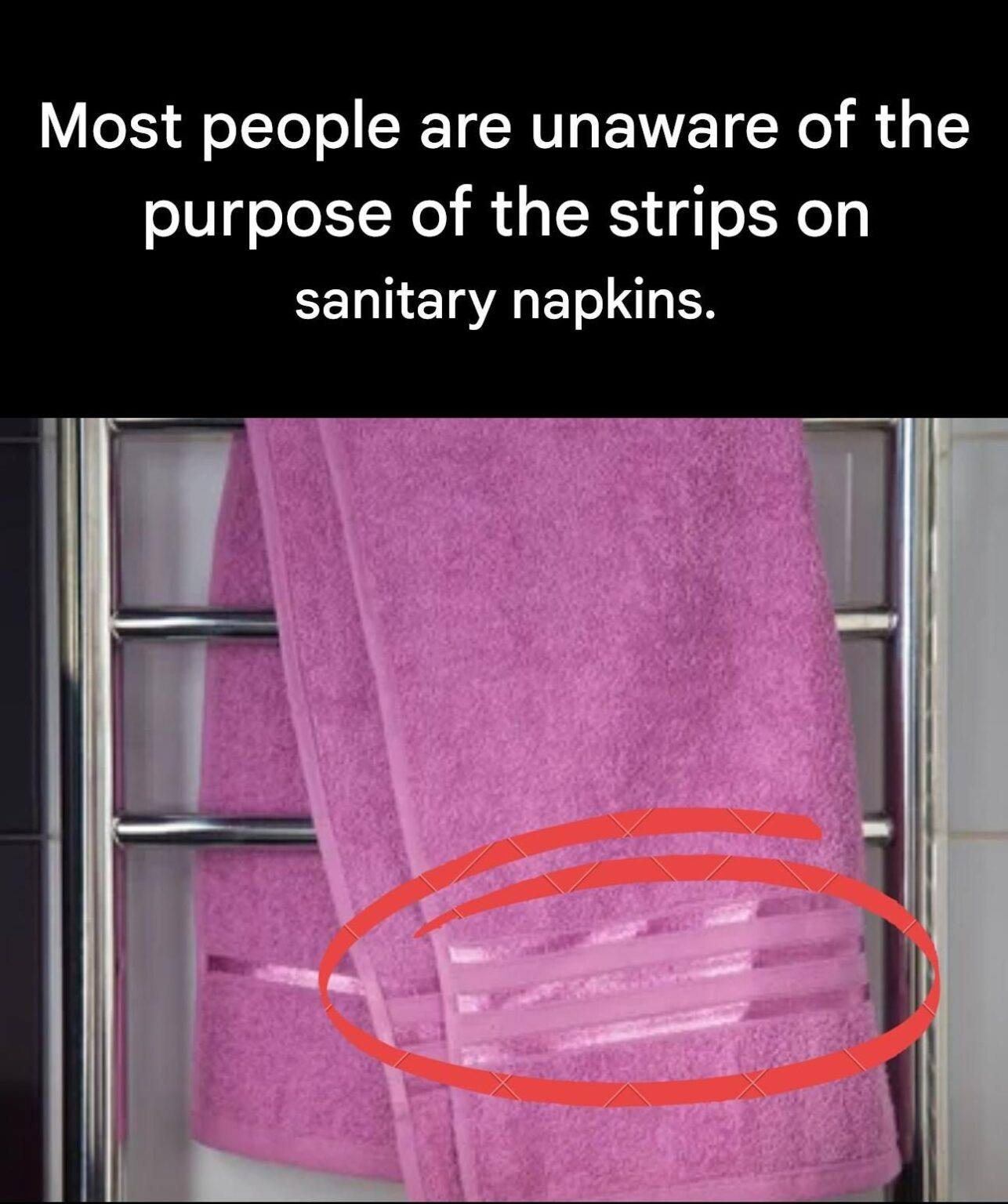
- Usually woven flat, without loops
- Often found on the short ends or along the width of the towel
- Can be decorative (dobby patterns, embroidery) or structural (reinforcing strips)
2. The Primary Purpose of Towel Strips
a) Prevent Fraying
The edges of terry cloth are prone to unraveling. Towels are heavy, absorbent, and frequently washed, which puts stress on loops. The woven strip reinforces the edge, keeping the loops intact.
Tip: Towels without reinforced borders may develop frayed edges faster, especially after multiple washes.
b) Provide a Folding Guide
The strip acts as a visual and tactile guide for folding and hanging. Many hotels and spas use the strips to standardize folding: the strip faces outward or aligns with the hanger, creating a neat look.
c) Reduce Curling
When towels dry, especially after heat or spinning in dryers, the edges can curl. Strips help stabilize the fabric, keeping the towel flat and smooth.
d) Decorative Appeal
Dobby borders, jacquard patterns, or embroidered strips make towels visually appealing without compromising performance. This is particularly important in luxury towels or gift sets.
3. The History of Towel Strips
- Early 20th Century: Mass-produced towels often had raw edges, which frayed quickly.
- 1930s–1940s: Weaving techniques improved; manufacturers began adding flat borders for durability.
- 1950s: Stripes became standard in luxury and hotel towels for both functionality and branding.
- Modern Times: Strips continue to serve structural, aesthetic, and practical purposes.
4. How Towel Strips Affect Absorbency
You might think the flat strip reduces absorbency. Actually:
- Strips usually make up only 10–20% of the towel’s surface area.
- The looped terry portion does the majority of water absorption.
- Strips can prevent stretching, ensuring loops remain vertical and absorbent.
Pro tip: When washing, avoid overloading the machine — flattened loops reduce absorption efficiency.
5. Caring for Towels with Strips
Proper care ensures that the functional strips continue to protect your towel for years.
a) Washing
- Use warm water (not hot) to protect fibers.
- Avoid bleach on colored strips — it can weaken fibers.
- Wash like colors together to prevent dye transfer.
b) Drying
- Air-dry or tumble dry on low-medium heat.
- High heat can shrink cotton and distort the strips.
c) Fabric Softeners
- Frequent softener use can coat loops and reduce absorbency.
- The strip itself is usually unaffected but maintaining loop integrity matters more.
d) Ironing
- Rarely needed. Ironing strips is fine but avoid flattening loops, which reduces absorbency.