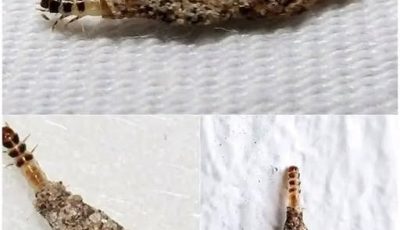
Tarnished silver isn’t dirty—it’s silver sulfide, formed when silver reacts with sulfur compounds in the air.
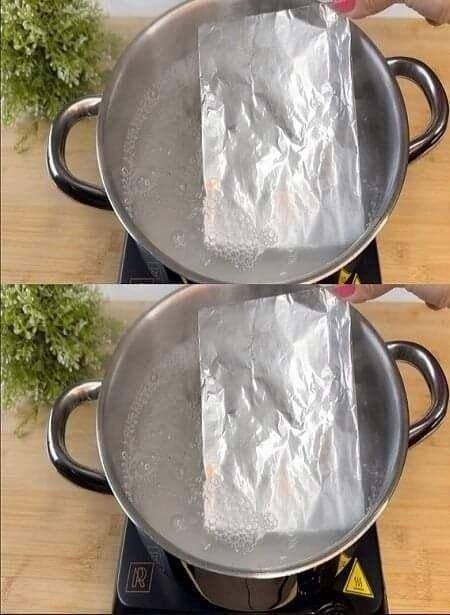
When you put silver + aluminum foil + baking soda + hot water together, you create a simple electrochemical reaction:
- Aluminum is more reactive than silver
- Sulfur “prefers” aluminum over silver
- The sulfur transfers from the silver to the aluminum
- The silver is reduced back to its shiny metallic form
In short:
👉 The tarnish moves from the silver onto the aluminum
That’s why the foil often turns dark while the silver brightens.
What each ingredient does
- Aluminum foil – Acts as the sacrificial metal that pulls sulfur away
- Baking soda (sodium bicarbonate) – Acts as an electrolyte to speed up the reaction
- Boiling water – Accelerates the chemical process
- Sugar – ❌ Not necessary (this is a myth and adds nothing)
Important things most articles don’t tell you ⚠️
- ✅ Works best on real silver or silver-plated items
- ❌ Does not work well on stainless steel (it doesn’t tarnish the same way)
- ❌ Can damage:
- Antique silver
- Items with intentional oxidation
- Silver with glued parts or stones
- ❌ Repeated use can thin silver plating over time
For valuable or antique pieces, traditional hand polishing is safer.
Why the result looks “magical”
Unlike scrubbing, this method:
- Removes tarnish without abrasion
- Preserves surface detail
- Works evenly in hard-to-reach areas
That’s why the shine seems to “come back instantly.”
Bottom line
- 🧪 This is chemistry, not luxury
- 🥄 It’s a smart, low-cost way to clean tarnished silver
- 📰 The “wealthy people” angle is just marketing hype
If you want, I can also:
- Simplify this into a short social-media post
- Rewrite it to remove clickbait
- Explain how to tell real silver from stainless stee