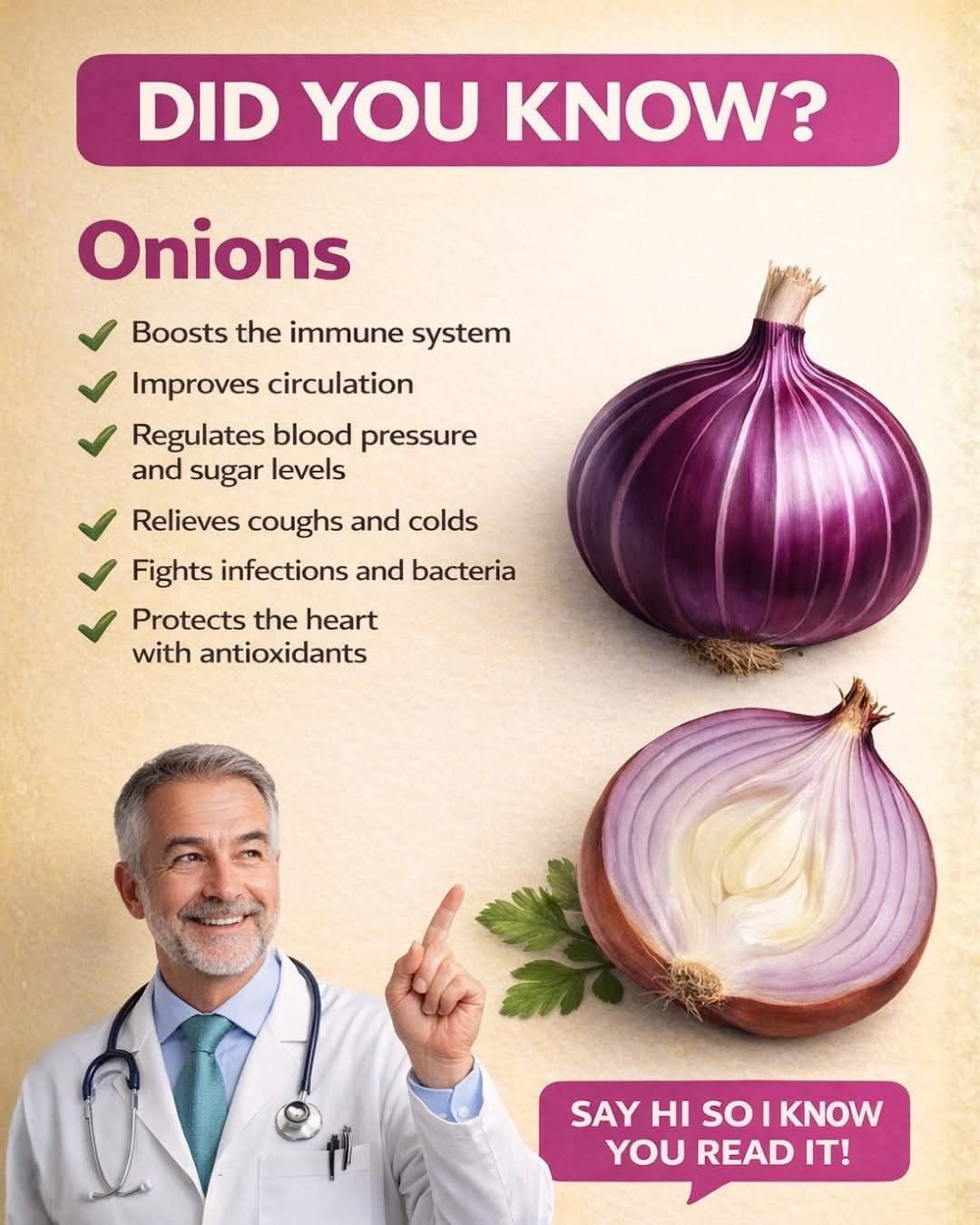
Red onion is rich in natural compounds that work together to protect the body and promote long-term health:
- Anthocyanins – powerful antioxidants responsible for the purple color, helping neutralize free radicals.
- Quercetin – a flavonoid known for its anti-inflammatory and antihistamine properties.
- Sulfur compounds – support liver detoxification and have antibacterial effects.
- Fiber and prebiotics – nourish gut bacteria and improve digestive health.
- Vitamin C and minerals – contribute to immune defense and skin vitality.
This combination makes red onion one of the most functional vegetables in a balanced diet.
Health Benefits of Red Onion
1. Supports Cardiovascular Health
Red onion is especially beneficial for the heart. Its antioxidants help reduce oxidative stress, lower blood pressure, and prevent the oxidation of LDL (bad) cholesterol. Quercetin also promotes blood vessel relaxation, improving circulation and reducing the risk of heart disease.
2. Helps Regulate Blood Sugar Levels
Regular consumption of red onion may improve insulin sensitivity and help stabilize blood glucose levels. This makes it a helpful food for people with diabetes or prediabetes when consumed as part of a healthy eating plan.
3. Strengthens the Immune System
Thanks to its sulfur compounds and flavonoids, red onion supports the immune system and helps the body fight infections. Its antibacterial and antiviral properties make it especially useful during cold and flu season.
4. Natural Anti-Inflammatory Action
Quercetin in red onion acts as a natural anti-inflammatory agent. It may help reduce muscle pain, joint discomfort, and symptoms related to chronic inflammation, including arthritis.
5. Improves Digestion and Gut Health
Red onion is rich in fiber and prebiotics, which feed beneficial gut bacteria. A healthy intestinal flora improves digestion, enhances nutrient absorption, and helps prevent constipation.