Flavors deepen and develop over time
Ingredients have room to blend and harmonize
Leftovers become a gift to your future self
You feed more people with less stress
A small batch disappears too quickly. A big pot feels generous. It feels intentional. It feels like you planned something special—even if you just threw it together on a Tuesday afternoon.
There’s something deeply reassuring about lifting the lid on a pot large enough to feed a crowd. It says, There’s enough.
The Foundation: Building Flavor
Every great chili begins with a base that sets the tone. And when you’re cooking in bulk, layering flavor becomes even more important.
1. The Aromatics
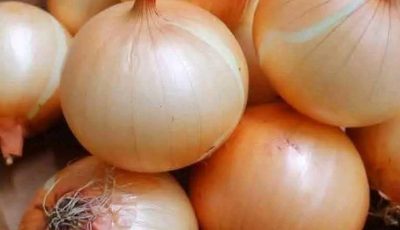
Start with onions. Lots of them. Cook them slowly until soft and slightly golden. Add garlic—more than you think you need. The bigger the pot, the more aromatics it can handle.
Bell peppers, jalapeños, or even poblano peppers can add sweetness and depth. Let them sweat and soften. This stage creates the backbone of your chili.
2. The Protein
Ground beef is classic, but turkey, chicken, pork, or even plant-based crumbles work beautifully. Browning the meat properly is crucial. Don’t rush this step. Let it caramelize.
If you’re going meatless, double down on beans, lentils, mushrooms, or textured vegetables to build heartiness.
In a huge pot, protein distributes evenly and soaks up spices over time. The longer it simmers, the more cohesive it becomes.
3. The Spices
This is where chili transforms from stew to statement.
Typical spice blend:
Chili powder
Cumin
Paprika (smoked if possible)
Oregano
Cayenne or crushed red pepper
Salt and black pepper
In large batches, spices bloom differently. Toast them briefly with the meat before adding liquid ingredients. This releases oils and intensifies flavor.
A big pot can handle bold seasoning. Don’t be timid.
Beans or No Beans?
Few food debates are as passionate as the “beans or no beans” argument.
In truth, the beauty of making chili at home is that you get to decide.
Kidney beans, black beans, pinto beans, or a mix—they stretch the pot and add texture. They absorb flavor and make leftovers even better.
No beans? That’s fine too. A thick, meat-forward chili can be deeply satisfying.
But in a huge pot, beans have an advantage: they make it truly crowd-friendly and budget-conscious. They turn your chili into a meal that feeds many without feeling stretched thin.
The Simmer: Where the Magic Happens
Once tomatoes, broth, and spices are added, the pot begins its transformation.
This is the stage that rewards patience.
Simmering chili for at least an hour (and often two or more) allows:
Spices to mellow and integrate
Acidity from tomatoes to soften
Texture to thicken naturally
Depth to develop
Stir occasionally. Taste often. Adjust seasoning gradually.
A large pot retains heat beautifully, creating steady, even cooking. The longer it gently bubbles, the richer it becomes.
And here’s a secret every chili lover knows: it tastes even better the next day.
The Beauty of Leftovers
A huge pot of chili is the gift that keeps giving.
Day One: Classic bowls topped with shredded cheese, sour cream, green onions, and maybe cornbread on the side.
Day Two: Chili over rice.
Day Three: Chili-stuffed baked potatoes.
Day Four: Chili nachos.
Day Five: Chili quesadillas.
Day Six: Chili omelet.
Day Seven: Freeze portions for later.
Cooking once and eating creatively all week is a quiet form of self-care. It reduces stress. It saves money. It eliminates the nightly “What’s for dinner?” question.
And because chili freezes exceptionally well, you can portion it into containers and build a future safety net of ready-made comfort food.
The Emotional Side of a Big Pot
There’s something deeply emotional about cooking in large quantities.
A huge pot of chili feels:
Protective
Generous
Practical
Loving
When someone walks into your home and you can say, “There’s chili on the stove,” it signals warmth and welcome.
Chili doesn’t demand perfection. It doesn’t require fancy plating. It’s humble and forgiving. A little too spicy? Add sour cream. Too thick? Add broth. Too thin? Let it simmer longer.
It’s a dish that embraces imperfection.
Perfect for Gatherings
Game day? Make chili.
Snow day? Make chili.
Family reunion? Make chili.
It’s one of the easiest meals to serve a crowd because:
It stays warm for hours
It scales beautifully
It satisfies nearly everyone
It allows for customizable toppings
Set up a chili bar with:
Shredded cheddar
Sour cream
Diced onions
Jalapeños
Crushed tortilla chips
Fresh cilantro
Hot sauce
Let guests build their own bowls. It becomes interactive and fun without adding work for you.
Making It Your Own
The best chili is personal.
Some people add:
A splash of coffee for depth
Dark chocolate for richness
Beer for complexity
Brown sugar for subtle sweetness
Apple cider vinegar for brightness
Others prefer smoky chipotle peppers or roasted tomatoes.
The beauty of a huge pot is experimentation. Because there’s so much volume, small additions create noticeable but balanced changes.
Chili is endlessly adaptable.
Slow Cooker vs. Stovetop vs. Dutch Oven
There are many ways to tackle a giant batch.
Stovetop:
Classic, controllable, easy to adjust.
Slow Cooker:
Set it and forget it. Great for busy days.
Dutch Oven:
Excellent heat retention and deep flavor development.
Each method works. What matters most is time. Chili thrives on slow cooking.
The Smell of Home
Few aromas compare to chili simmering.
It’s rich and savory with a slight edge of spice. It seeps into curtains and lingers in hallways. It tells anyone walking through the door that something good is happening inside.