3. Heat & Warm Weather
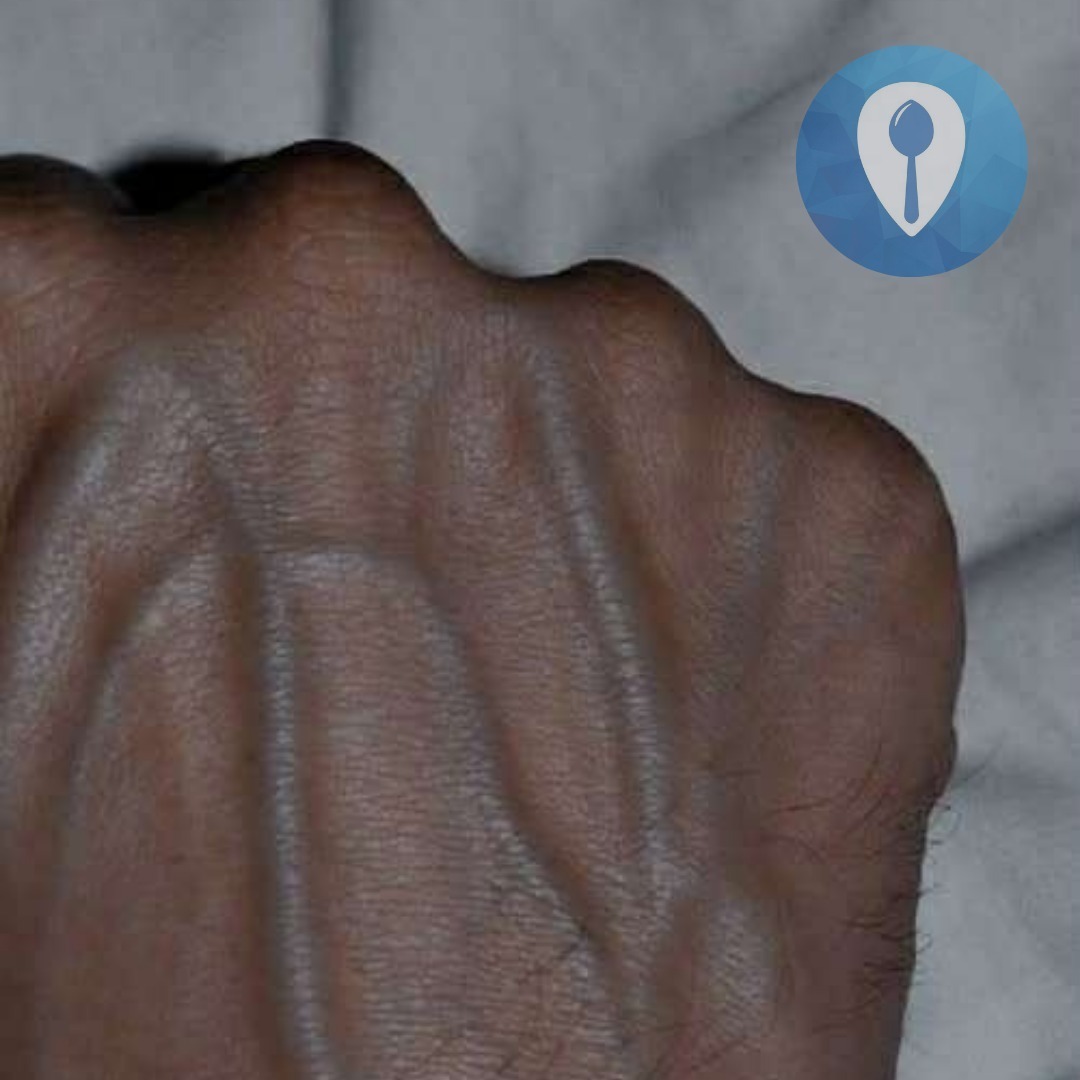
In heat, blood vessels dilate to release warmth—making veins swell and rise closer to the skin. This is temporary and reverses in cool weather.
4. Exercise & Physical Activity
During and after workouts, blood flow increases, veins expand, and muscles push veins toward the surface. In fit people, this can persist longer.
5. Genetics
Some people simply inherit more superficial veins. If your parents had visible veins, you likely will too—no health issue involved.
⚠️ When Visible Veins Might Signal a Health Concern
While most vein visibility is benign, certain changes warrant attention:
1. Sudden, One-Sided Swelling + Pain
→ Could indicate deep vein thrombosis (DVT)—a blood clot.
Seek immediate care if:
Vein is hard, red, warm, or tender
Swelling is only in one arm or leg
You have shortness of breath (clot may have traveled to lungs)
2. Twisted, Bulging, Rope-Like Veins
→ Likely varicose veins, caused by faulty valves in leg veins.
While often cosmetic, they can cause: