How can you incorporate sport when you already lack energy?
The first objection is often: “I’m already exhausted, how can I find the strength to do sports?” And that’s understandable. The idea isn’t to transform into a marathon runner overnight, but to adopt a gradual approach.
Starting small is key. Ten to fifteen minutes of gentle activity, three times a week, is a realistic starting point. Brisk walking, stationary cycling, swimming, dancing at home: the important thing is to choose an activity that provides at least some enjoyment to encourage consistency.
Then, having a support network can make all the difference. Joining a group class, hiring a certified personal trainer, or using an app or fitness tracker to monitor progress can boost motivation. Some healthcare professionals even advocate for these programs to be better integrated into treatment plans, with tailored support.
Finally, set realistic and progressive goals. Recording your sessions in a diary, celebrating every small victory, and accepting “off” days without guilt all contribute to creating a positive dynamic. Consistency is always more important than intensity.
Towards a new way of taking care of one’s mental health
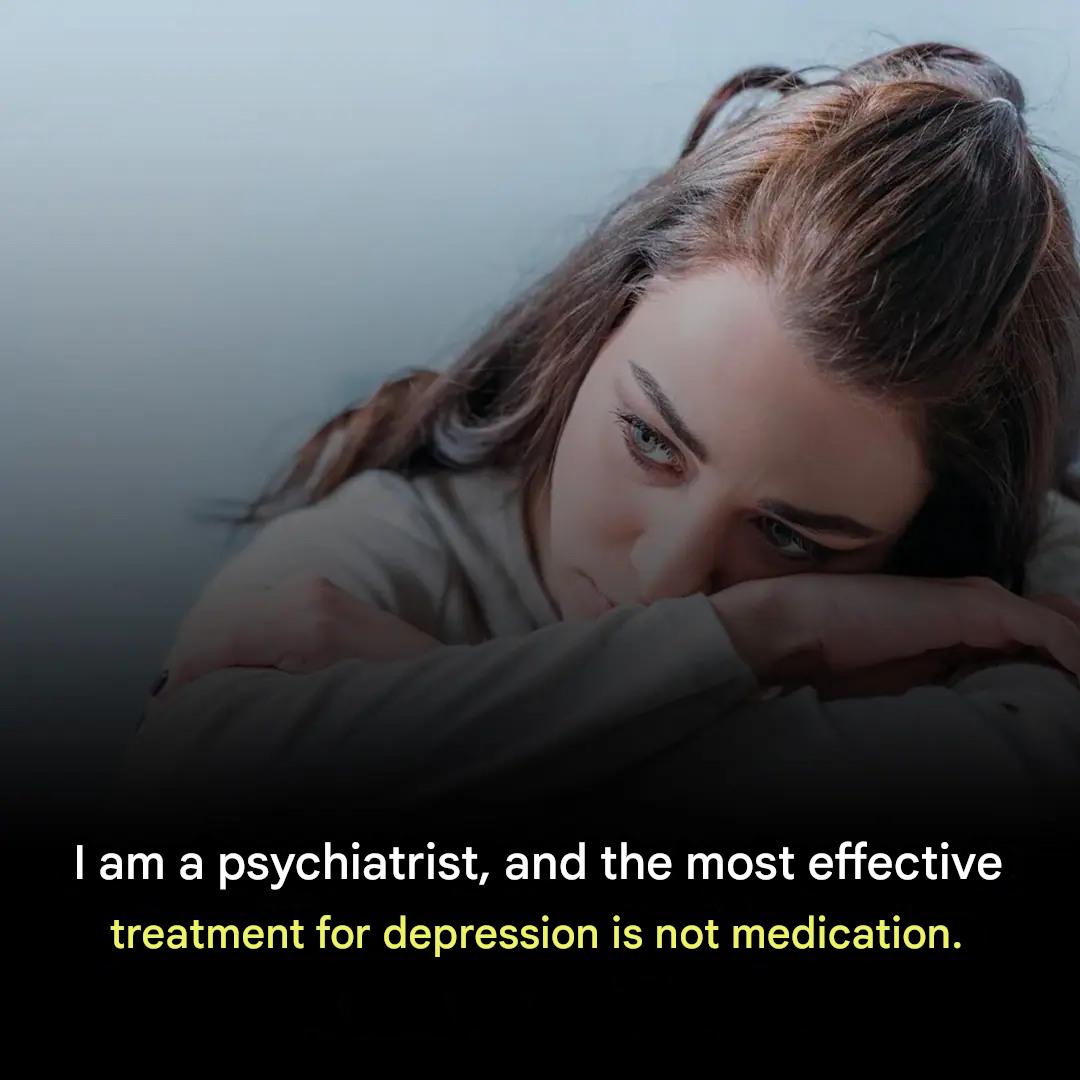
Dr. Nicholas Fabiano’s message is not intended to pit medication against physical activity, but rather to broaden the range of solutions. For some people, exercise can complement therapeutic treatment; for others, it can be a first step towards lasting well-being.
In a fast-paced society, getting the body moving again can become a powerful act of reconnecting with oneself. Like a breath of fresh air after a long day, physical activity reminds us that our body and mind are intimately linked.
What if, ultimately, putting on your sneakers became the first act of self-love, serving your mental health and genuine, lasting well-being ?