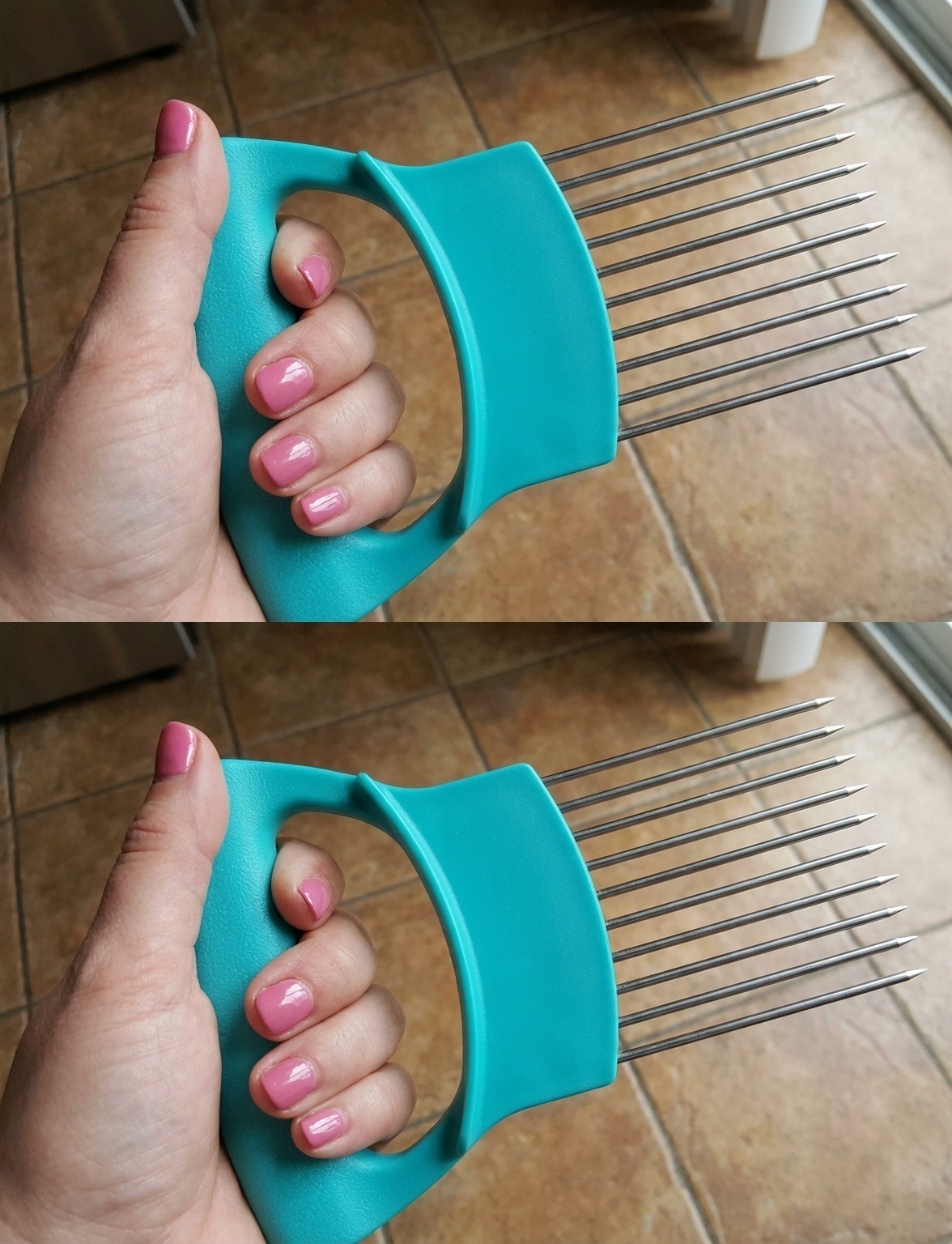
Ideal for:
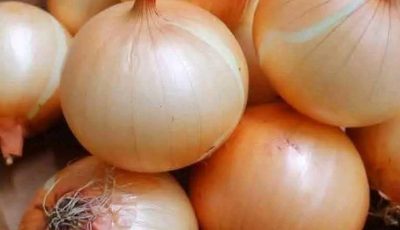
Caramelizing onions (even thickness = even cooking)
Crispy fried potatoes or zucchini chips
Neat salad layers or pickle slices
- Safe & Accessible
Great for:
Kids learning kitchen skills
Seniors or those with arthritis or limited grip strength
Anyone who’s had one too many close calls with a chef’s knife - Fast Meal Prep
Need sliced cucumbers for tzatziki? Potatoes for scalloped bake? Done in seconds.
🥒 Best Vegetables to Slice
Vegetable
Best For
Onions
Salads, soups, caramelizing, burgers
Cucumbers
Pickles, sandwiches, salads
Potatoes
Hash browns, scalloped potatoes, chips
Zucchini/Summer Squash
Gratin, stir-fries, baking
Carrots
Slaws, snacks, stews (peeled first)
Apples
Pies, crisps, lunchboxes (core first!)
⚠️ Avoid: Soft, watery, or irregularly shaped produce (like tomatoes, mushrooms, or bell peppers)—they’ll mush or jam.
🧼 How to Clean & Maintain It
Never put fingers near blades—use a brush or toothpick to clear debris.
Rinse immediately after use—starchy veggies (like potatoes) can gum up blades.
Dry thoroughly to prevent rust (especially on vintage metal models).
Store safely—some come with blade guards; otherwise, tuck into a drawer away from loose utensils.
❤️ The Bottom Line
This unassuming tool isn’t outdated—it’s underrated. In a world of fancy gadgets, the veggie slicer remains a simple, effective, and safe way to prep meals faster with consistent results.
So next time you spot one at a thrift store or pull it from the back of your drawer, give it a try. Your eyes (and your dinner guests) will thank you.
“Good tools don’t need batteries—they just need purpose.” ✨🧅