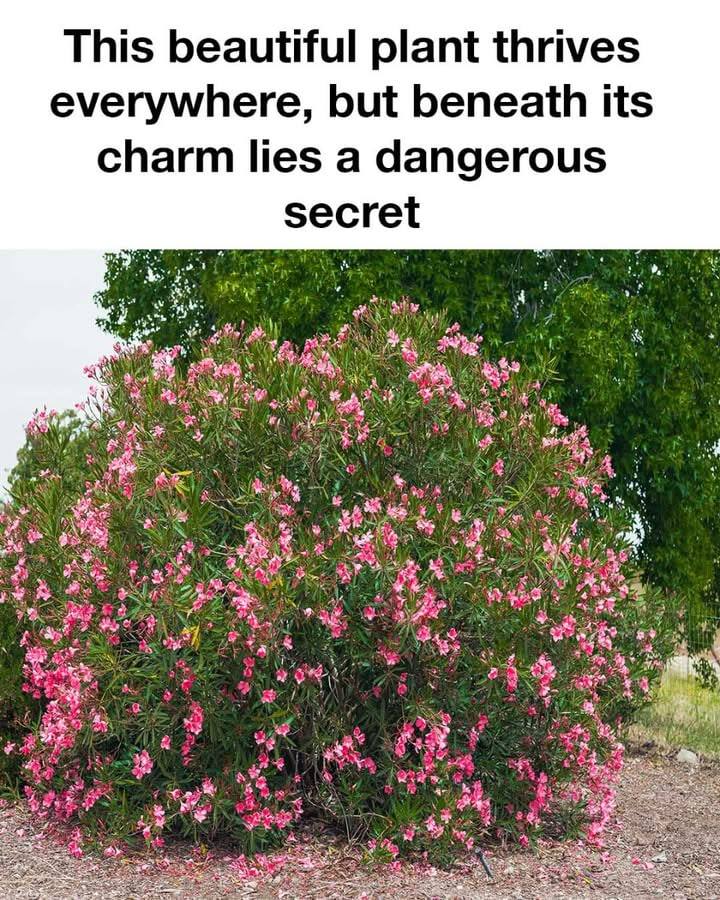
Despite its aesthetic appeal, oleander is one of the most poisonous plants known. All parts of the plant—including the leaves, flowers, and stems—contain toxic compounds that can be lethal if ingested. The plant’s toxicity has been recognized since ancient times, and it has historically been used in various cultures for its poisonous properties.
The Chemical Compounds Behind the Danger
The primary toxic compounds in oleander are cardiac glycosides, specifically oleandrin and neriine. These compounds affect the heart by disrupting the normal function of cardiac cells, potentially causing fatal heart rhythm disturbances. Even small amounts of oleander can produce severe symptoms, making careful handling essential.
Symptoms and Risks of Oleander Poisoning
Ingesting any part of the oleander plant can lead to nausea, vomiting, abdominal pain, diarrhea, and irregular heartbeats. In severe cases, poisoning can result in coma or death. The plant’s toxicity is not limited to ingestion—contact with the sap can cause skin irritation or allergic reactions in sensitive individuals.
Precautions and Safety Measures for Handling Oleander
To safely enjoy oleander in your garden, take the following precautions:
- Always wear gloves when handling the plant.
- Wash your hands thoroughly afterward.
- Educate children and pets about the dangers and ensure they do not ingest any part of the plant.
- Seek medical attention immediately if oleander poisoning is suspected.
Alternatives to Planting Nerium Oleander
For those who love the look of oleander but are concerned about its toxicity, there are safer alternatives. Plants such as hibiscus, bougainvillea, and plumeria offer similarly vibrant blooms without the associated risks. These alternatives provide the same aesthetic appeal while ensuring a safer environment for children and pets.
Conclusion: Balancing Beauty and Safety in Your Garden
Nerium oleander is undeniably beautiful, but its toxicity cannot be overlooked. By understanding the risks and taking proper precautions, gardeners can enjoy oleander’s beauty while minimizing potential dangers. For those who prefer a safer option, numerous alternatives provide similar visual appeal without compromising safety. Ultimately, the key is to balance beauty and safety, ensuring a harmonious and secure outdoor space.