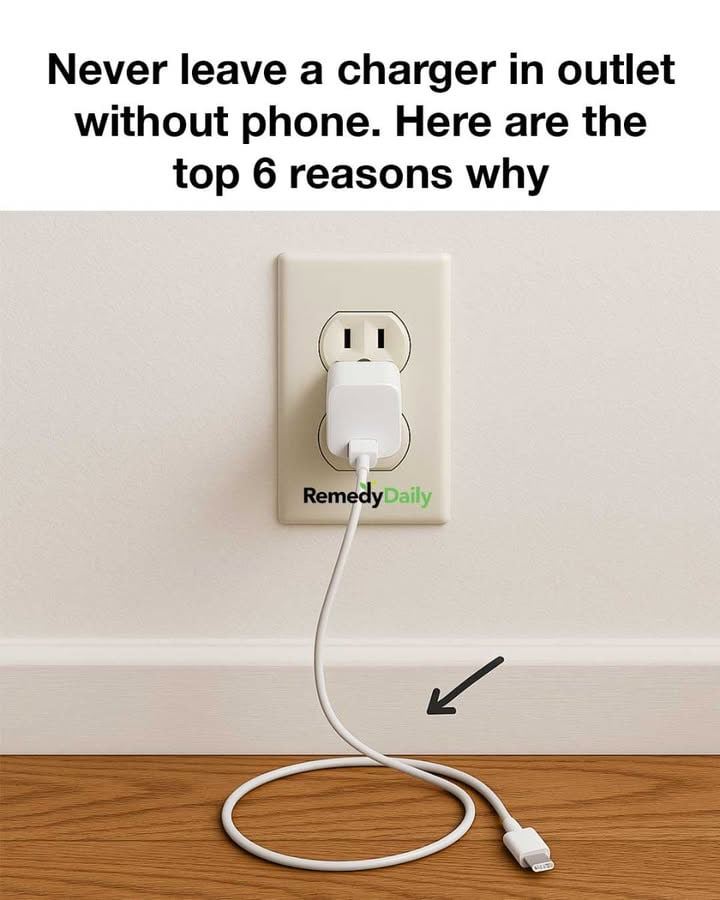
In today’s digital age, chargers have become an essential part of our daily lives, powering our smartphones, tablets, and other electronic devices. However, many people have the habit of leaving their chargers plugged into an outlet even when not in use. This seemingly harmless action can actually pose several risks. From increased energy consumption to potential fire hazards, the consequences of leaving chargers plugged in without a device attached can be significant. Understanding these risks is crucial for both safety and efficiency in our homes and workplaces.
1. Energy Consumption of Idle Chargers
Idle chargers, often referred to as “vampire devices,” continue to draw power even when they are not actively charging a device. This phenomenon, known as standby power or phantom load, contributes to unnecessary energy consumption. While the amount of power drawn by a single charger may seem negligible, the cumulative effect of multiple chargers left plugged in across households and offices can lead to a noticeable increase in energy demand. This not only impacts your electricity bill but also places additional strain on the power grid, especially during peak usage times.
2. Fire Hazards from Unattended Chargers
One of the most concerning risks of leaving chargers plugged in is the potential for fire hazards. Chargers are electrical devices that can overheat if left plugged in for extended periods, especially if they are of poor quality or damaged. Overheating can lead to sparks or even fires, posing a serious threat to property and personal safety. Unplugging chargers when not in use helps minimize the risk of electrical fires, particularly in homes with older wiring or inadequate electrical systems.
3. Reduced Charger Lifespan and Efficiency
Leaving a charger plugged in without a connected device can also affect its lifespan and efficiency. Continuous exposure to electrical current, even in small amounts, can cause gradual wear and tear on internal components. Over time, this may result in reduced charging efficiency or complete failure. By unplugging chargers when they are not in use, you can extend their lifespan and ensure they function optimally when needed.