What It Means
Strong sour, rancid, or ammonia smell
Bacterial spoilage or fat rancidity
Slimy or sticky surface
Microbial growth
Dull, grayish flesh (not just yellow)
Advanced spoilage
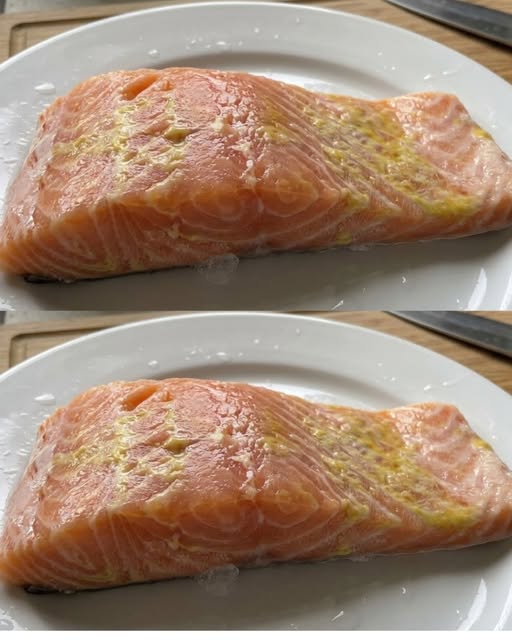
Yellow/green mold spots
Fungal contamination
❗ Never taste-test questionable fish—foodborne illness from spoiled seafood can be severe.
🔒 How to Prevent Discoloration in the Future
Freeze properly: Wrap salmon tightly in plastic wrap + foil, or use vacuum-sealed bags to limit air exposure.
Label and date: Use within 2–3 months for best quality (safe up to 6 months, but flavor degrades).
Thaw safely: In the fridge (not on the counter) to prevent bacterial growth.
Buy fresh: Look for bright, firm fillets with a mild ocean scent—not fishy.
The Bottom Line
That yellow tint? Almost certainly not a cause for alarm. It’s likely just oxidized healthy fats or natural fat marbling—both harmless and common in fatty fish like salmon.
As long as the salmon smells fresh, feels firm, and shows no other signs of spoilage, it’s safe to cook and enjoy.
So go ahead—grill it, bake it, or sear it with lemon. Your family’s favorite meal is still on the menu.
“Nature doesn’t always follow our expectations—but it often knows best.”
Have you seen this yellow tint before? Did you cook it or toss it? Share your experience below—we’re all learning to trust our instincts (and our noses!) together. 🐟🍋✨