3. Biotin and B-Vitamin Gaps
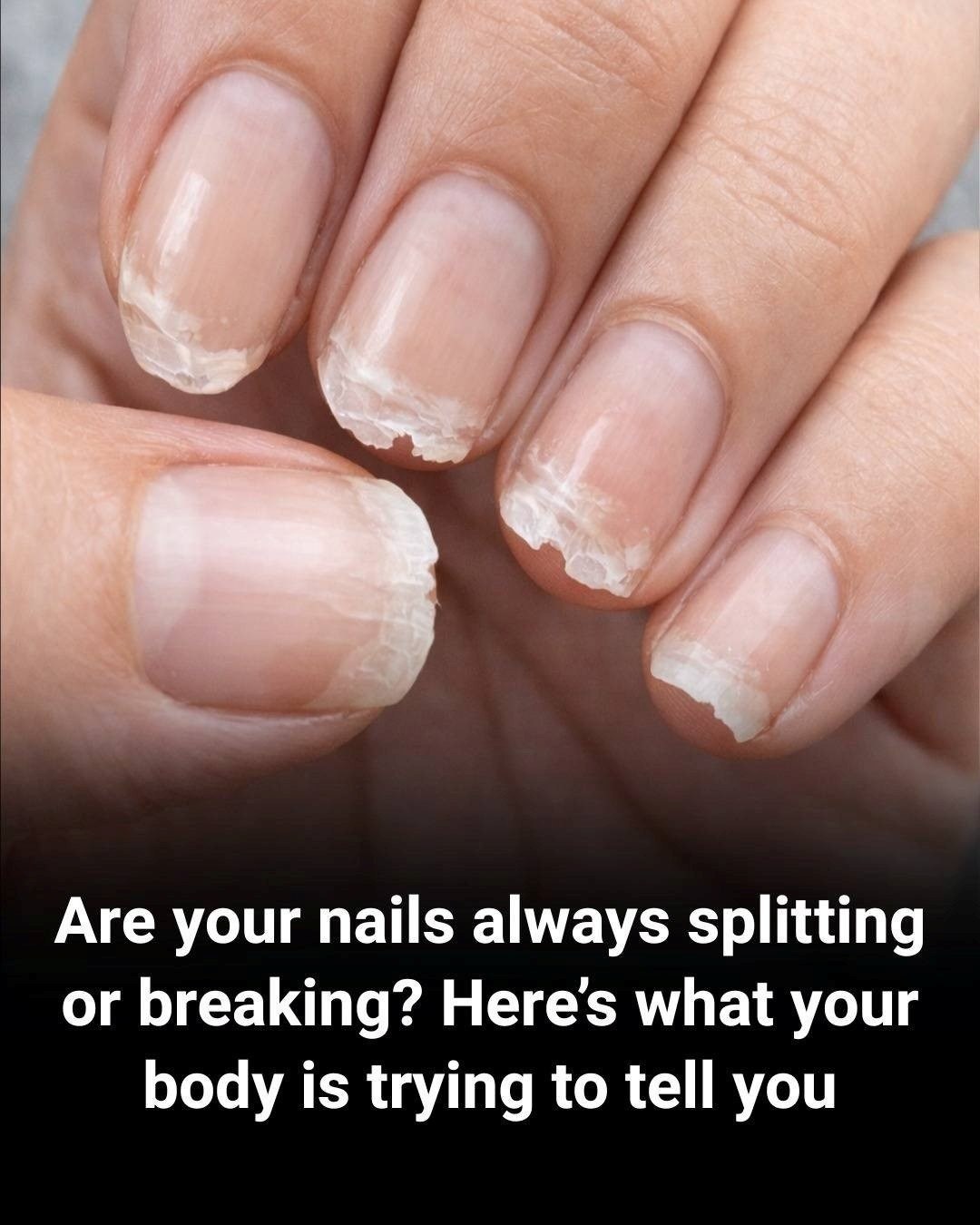
Biotin (Vitamin B7) is frequently marketed as the “hair and nail vitamin” — and for good reason.
Biotin supports keratin infrastructure, improving nail thickness and reducing breakage. Studies referenced by the National Institutes of Health show that biotin supplementation may strengthen brittle nails in people with confirmed deficiency.
However, true biotin deficiency is rare.
Before jumping to supplements, consider overall diet quality. B vitamins are found in:
- Eggs
- Nuts
- Whole grains
- Salmon
- Avocados
If your diet lacks variety, nutritional gaps could be affecting nail integrity.
4. Thyroid Imbalances
Your thyroid gland regulates metabolism — and that includes nail growth.
Both hypothyroidism (underactive thyroid) and hyperthyroidism (overactive thyroid) can cause nail changes.
In hypothyroidism, nails may become:
- Dry
- Brittle
- Slow-growing
- Ridged
The American Thyroid Association explains that reduced thyroid hormone slows cellular turnover, which impacts skin and nail health.
Other thyroid-related symptoms include:
- Weight changes
- Cold sensitivity
- Hair thinning
- Fatigue
If brittle nails are accompanied by systemic symptoms, a thyroid panel may be worth discussing with your healthcare provider.
5. Overexposure to Water and Chemicals
Sometimes the problem isn’t internal — it’s environmental.
Repeated cycles of soaking and drying (like frequent dishwashing or swimming) cause nails to expand and contract. Over time, this weakens their structure.
Additionally, exposure to:
- Acetone-based polish removers
- Gel manicures
- Acrylic nails
- Harsh detergents
Can thin and damage the nail plate.
Dermatologists frequently advise limiting acetone use and taking “nail breaks” between gel or acrylic applications.
Protective steps:
- Wear gloves when cleaning
- Avoid daily polish removal
- Use non-acetone remover
- Let nails go bare periodically
Sometimes what looks like a health issue is simply overprocessing.
6. Aging and Hormonal Shifts
As we age, natural oil production decreases. Nails may become drier and more fragile over time.
Hormonal changes — especially during menopause — can also impact nail hydration and strength.
Reduced estrogen affects collagen production, which supports skin and nail resilience.
While aging is inevitable, supportive care helps:
- Omega-3 fatty acids
- Hydration
- Gentle nail care
- Balanced nutrition
Strong nails at any age are possible with consistent care.
7. Protein Intake: The Building Block Factor
Keratin is a protein. If your diet lacks adequate protein, nail structure may weaken.
Low-protein diets can lead to:
- Thin nails
- Slow growth
- Increased breakage
Quality protein sources include:
- Eggs
- Greek yogurt
- Lean meats
- Tofu
- Beans
Even mild protein deficiency can subtly show up in nails before other symptoms appear.
8. Fungal Infections
If nails are not only brittle but also:
- Discolored (yellow or brown)
- Thickened
- Crumbly
A fungal infection may be present.
Unlike nutritional brittleness, fungal damage often affects one or two nails rather than all ten.
Treatment may require topical or oral antifungal medication prescribed by a healthcare provider.
9. Psoriasis and Autoimmune Conditions
Nail pitting (tiny dents), ridging, or separation from the nail bed can sometimes indicate psoriasis or autoimmune disorders.
The National Psoriasis Foundation notes that up to 50% of people with psoriasis experience nail involvement.
If nail changes accompany:
- Skin plaques
- Joint pain
- Chronic inflammation
Medical evaluation is important.
How to Strengthen Weak Nails Naturally
Regardless of cause, these habits support healthier nails:
1. Moisturize Daily
Use cuticle oil and thick hand cream consistently.
2. File Gently
Use a fine-grit file in one direction only.
3. Avoid Nail Trauma
Don’t use nails as tools.
4. Improve Nutrition
Focus on balanced meals with:
- Protein
- Iron
- Healthy fats
- Whole foods
5. Consider a Multivitamin
Only after consulting with a healthcare professional.
When to See a Doctor
Brittle nails alone are common and often harmless.
However, seek medical evaluation if you notice:
- Sudden severe nail changes
- Spoon-shaped nails
- Significant discoloration
- Nail separation
- Accompanying fatigue or hair loss
Nails grow slowly — about 3 millimeters per month. Improvements may take 3–6 months to appear.
The Bigger Picture: Listening to Subtle Signals
Your nails are like quiet messengers. They rarely shout — but they whisper.
Weak or brittle nails often signal:
- Dehydration
- Nutritional imbalance
- Hormonal shifts
- Overexposure to chemicals
- Underlying health concerns
Instead of masking the issue with strengthening polish, it’s worth asking: What might my body be telling me?
When you nourish your body properly, protect your hands, and address potential deficiencies, nails usually respond.
Final Thoughts
Weak or brittle nails aren’t just a cosmetic frustration — they’re often a reflection of internal balance.
In many cases, the fix is simple:
- Hydrate
- Nourish
- Protect
In others, nails provide an early clue that something deeper needs attention.
Either way, they deserve more than a quick coat of polish.
They deserve understanding.
If you’d like, I can also create:
- A symptom checklist
- A printable nail health guide
- Or a version optimized for SEO publishing
Just let me know.