By the end, you’ll not only know the truth—you’ll be able to confidently explain it the next time someone pushes away a pink steak in fear.
The Persistent Myth: “That Steak Is Bloody”
Let’s start with where the myth comes from.
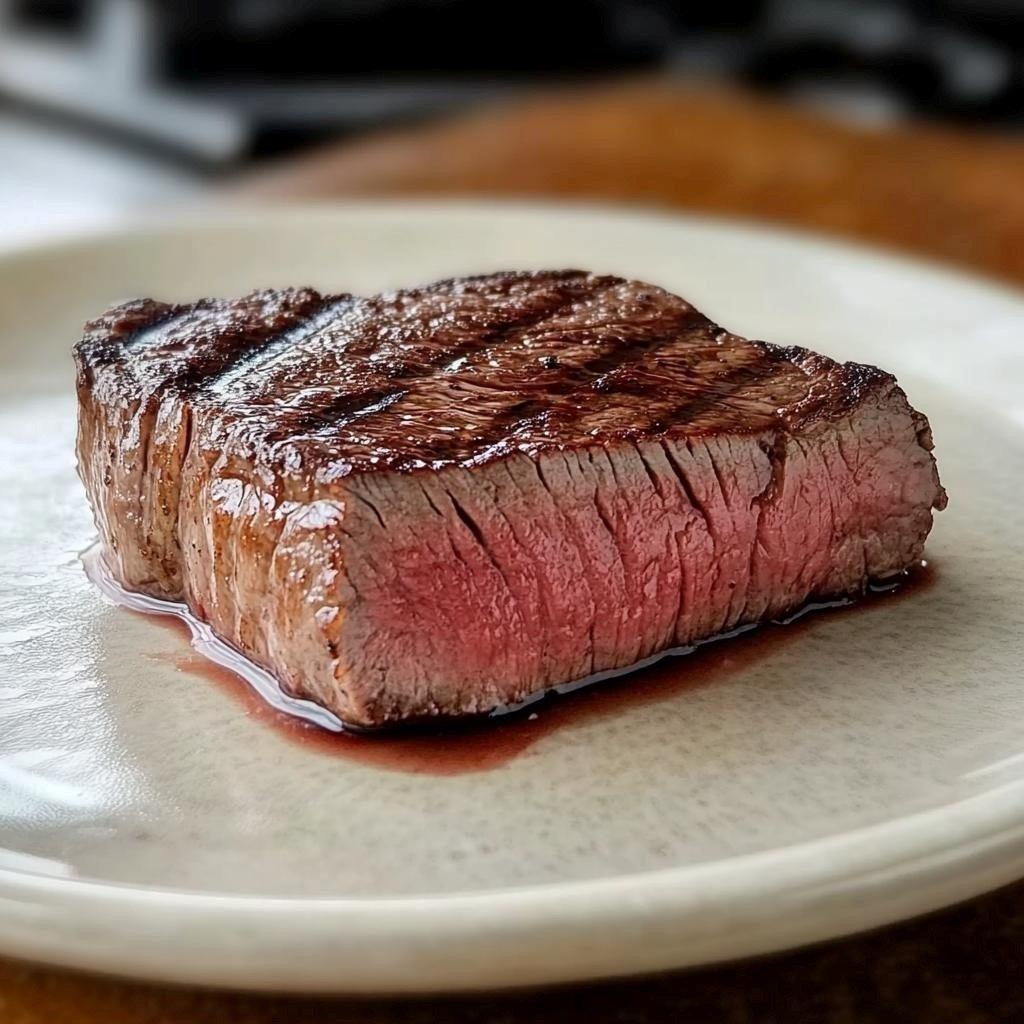
When you cut into a rare steak, a red or pink liquid often seeps out onto the plate. Visually, it resembles blood. Our brains make a quick association: red liquid + meat = blood. Simple, right?
But that assumption overlooks a crucial fact:
Meat sold in stores has already been drained of blood.
During the slaughtering process, animals are thoroughly bled. This isn’t optional—it’s a fundamental step in meat processing for both quality and safety. Blood spoils quickly, affects flavor, and is removed long before meat reaches a butcher’s counter or grocery store shelf.
So if it’s not blood, what is it?
The Real Answer: It’s Myoglobin (Mostly)
The red juice you see in a rare steak is primarily a mixture of water and a protein called myoglobin.
What Is Myoglobin?
Myoglobin is a protein found in muscle tissue. Its job is to store and transport oxygen within muscle cells, helping muscles function during movement. Think of it as a kind of oxygen reserve for muscle fibers.
Here’s why myoglobin matters:
It gives raw meat its red or pink color
It plays a huge role in how meat looks when cooked
It affects flavor and perceived juiciness
Unlike blood, myoglobin is inside muscle cells, not circulating through veins. Once the animal is processed and the blood is removed, myoglobin remains—because it’s part of the muscle itself.
Why Is the Liquid Red If It’s Not Blood?
Great question—and this is where chemistry comes in.
Myoglobin contains iron, which binds to oxygen. Depending on how much oxygen is present and how the meat is cooked, myoglobin can appear:
Purplish-red (deoxymyoglobin, low oxygen)
Bright red (oxymyoglobin, exposed to oxygen)
Brown or gray (metmyoglobin, fully cooked)
When you cut into a rare steak, the myoglobin hasn’t been fully denatured by heat. It still retains its red or pink color, and when combined with water naturally present in muscle tissue, it forms that familiar reddish juice.
So what you’re seeing is essentially:
Water + myoglobin = red juice
No blood involved.