Treatment: None needed—cosmetic concern only
- Leprosy (Hansen’s Disease) – Rare in most countries
Signs: Hypopigmented patch with loss of sensation (numbness)
Other clues: Thickened nerves, muscle weakness
Important: If a pale patch is numb, seek medical evaluation immediately
When to See a Dermatologist
Consult a doctor if the patch has any of these features:
Loss of sensation (numbness)
Spreading or changing shape/size
Bright white color with sharp borders (possible vitiligo)
No clear cause (e.g., not after a rash or injury)
Multiple new patches appearing
Not fading after 3–6 months
📌 Especially important: In regions where leprosy is endemic, any asymptomatic hypopigmented patch with sensory changes requires prompt evaluation.
What to Expect at the Doctor’s Office
Wood’s lamp exam: UV light that makes certain conditions glow (e.g., tinea versicolor fluoresces yellow-green; vitiligo appears bright white)
Skin scraping: To check for fungal elements
Dermoscopy: Magnified skin examination
Biopsy: Rarely needed, but may be done if diagnosis is unclear
The Bottom Line
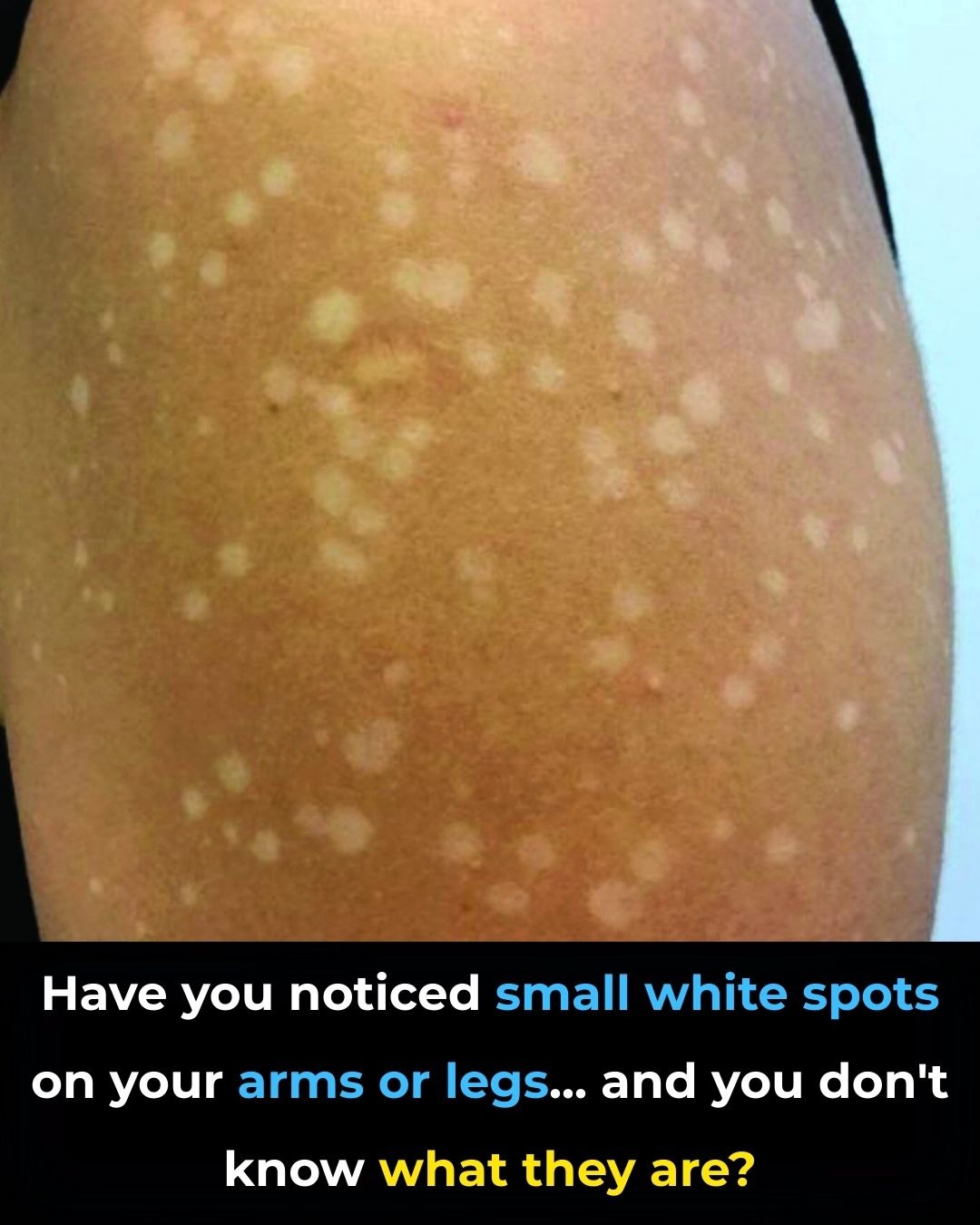
Most asymptomatic hypopigmented spots are harmless and temporary—often just a quirk of skin healing or mild yeast overgrowth. However, because a few rare causes require treatment, it’s wise to get persistent or unexplained patches checked, especially if they’re growing, numb, or very white.
“Your skin speaks in patterns. Sometimes, the quietest changes deserve the closest look.”
Have you noticed a pale patch on your skin? Did it fade or persist? Share your experience below—we’re all learning to listen to our bodies together. 🌿🩺✨