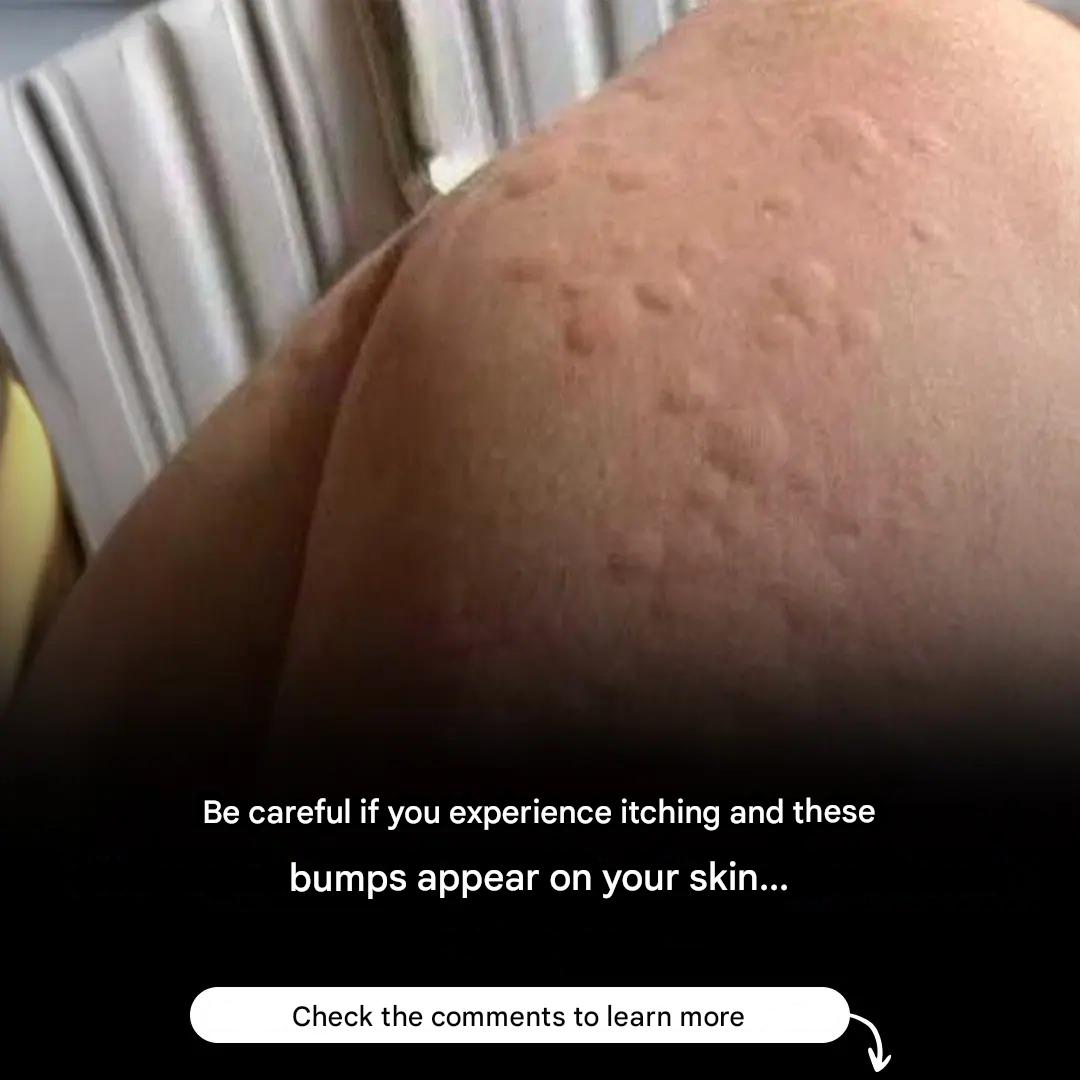
What to do in case of hives?
First rule: don’t panic.
In most cases, the symptoms disappear spontaneously. To relieve discomfort:
- Avoid scratching, even if the urge is strong.
- Wear loose-fitting cotton clothing.
- Opt for lukewarm showers rather than very hot ones.
- Note down any foods consumed or recent events that may help identify a trigger.
Antihistamines can be prescribed by a healthcare professional to relieve itching. In more severe cases, additional treatment may be considered for a short period, under medical supervision.
If episodes recur or persist, a consultation will help explore possible causes and adapt treatment to limit recurrences of chronic urticaria .
When should I seek medical help quickly?
It is important to seek medical advice without delay if:
-
- You are having trouble breathing
- Your tongue or throat swells
- You are experiencing significant discomfort
These signs require immediate attention.
Hives can be alarming, but they are usually temporary. The key is to monitor the progression of symptoms, identify any potential triggers, and never hesitate to consult a doctor if you have any doubts.