Zinc is crucial for immune function—and cashews provide about 15% of your daily needs per ounce. Zinc helps:
- Develop and activate immune cells
- Reduce oxidative stress and inflammation
- Support wound healing
For vegetarians and vegans, cashews can be an important source of this immune-supporting mineral.
6. Your Red Blood Cells Benefit
The copper and iron in cashews work together to support healthy red blood cells. Copper helps your body absorb and utilize iron, which is essential for:
- Forming hemoglobin (the protein that carries oxygen)
- Preventing anemia
- Maintaining energy levels
7. Your Weight May Be Easier to Manage
This might seem counterintuitive—nuts are calorie-dense, after all. But research consistently shows that nut consumption is associated with healthier body weight, not weight gain.
Why:
- Protein and fiber increase satiety (you feel fuller longer)
- Some calories may not be fully absorbed (nuts are structurally resistant to complete digestion)
- Replacing less healthy snacks with nuts reduces overall calorie intake
The research: A 2019 meta-analysis found that higher nut intake was associated with lower long-term weight gain and reduced risk of obesity.
8. Your Skin May Benefit
The combination of copper, zinc, and healthy fats in cashews supports skin health:
- Copper helps produce melanin (protects against UV damage)
- Zinc supports wound healing and reduces inflammation
- Healthy fats maintain skin barrier function
How Many Cashews Should You Eat?
For most people, a serving of 1 ounce (about 18 nuts) per day is a healthy goal. This provides all the benefits without excessive calories.
Tips for portion control:
- Buy individual 1-ounce snack packs
- Use a small bowl instead of eating from the bag
- Pair with fruit or yogurt for a balanced snack
Raw vs. Roasted: Which Is Better?
| Type | Pros | Cons |
|---|---|---|
| Raw | No added oils or salt; retains all nutrients | Slightly less flavorful to some |
| Dry-roasted | Enhanced flavor; no added oils | May still have added salt |
| Oil-roasted | Very flavorful | Adds calories from oil |
| Honey-roasted | Delicious | Adds significant sugar |
Healthiest choice: Raw or dry-roasted with no added salt.
Who Should Be Cautious?
Cashews are safe for most people, but:
- Nut allergies: Cashew allergy can be severe. If you have tree nut allergy, avoid cashews.
- Kidney stones: Cashews contain oxalates, which can contribute to calcium-oxalate kidney stones in susceptible individuals. If you have a history of stones, moderate your intake.
- Weight management: While beneficial in moderation, eating large quantities can contribute to excess calorie intake.
Delicious Ways to Eat Cashews
- Handful as a snack – Simple and satisfying
- Cashew butter – Spread on toast or apple slices
- Blended into smoothies – Adds creaminess and protein
- Cashew cream – Soaked and blended cashews make a dairy-free cream sauce
- Chopped on salads – Adds crunch and nutrition
- In stir-fries – Adds texture and healthy fats
- Homemade trail mix – With dried fruit and dark chocolate
- Cashew milk – Blend with water and strain for dairy-free milk
- Cashew cheese – Fermented cashews make amazing vegan cheese
The Bottom Line
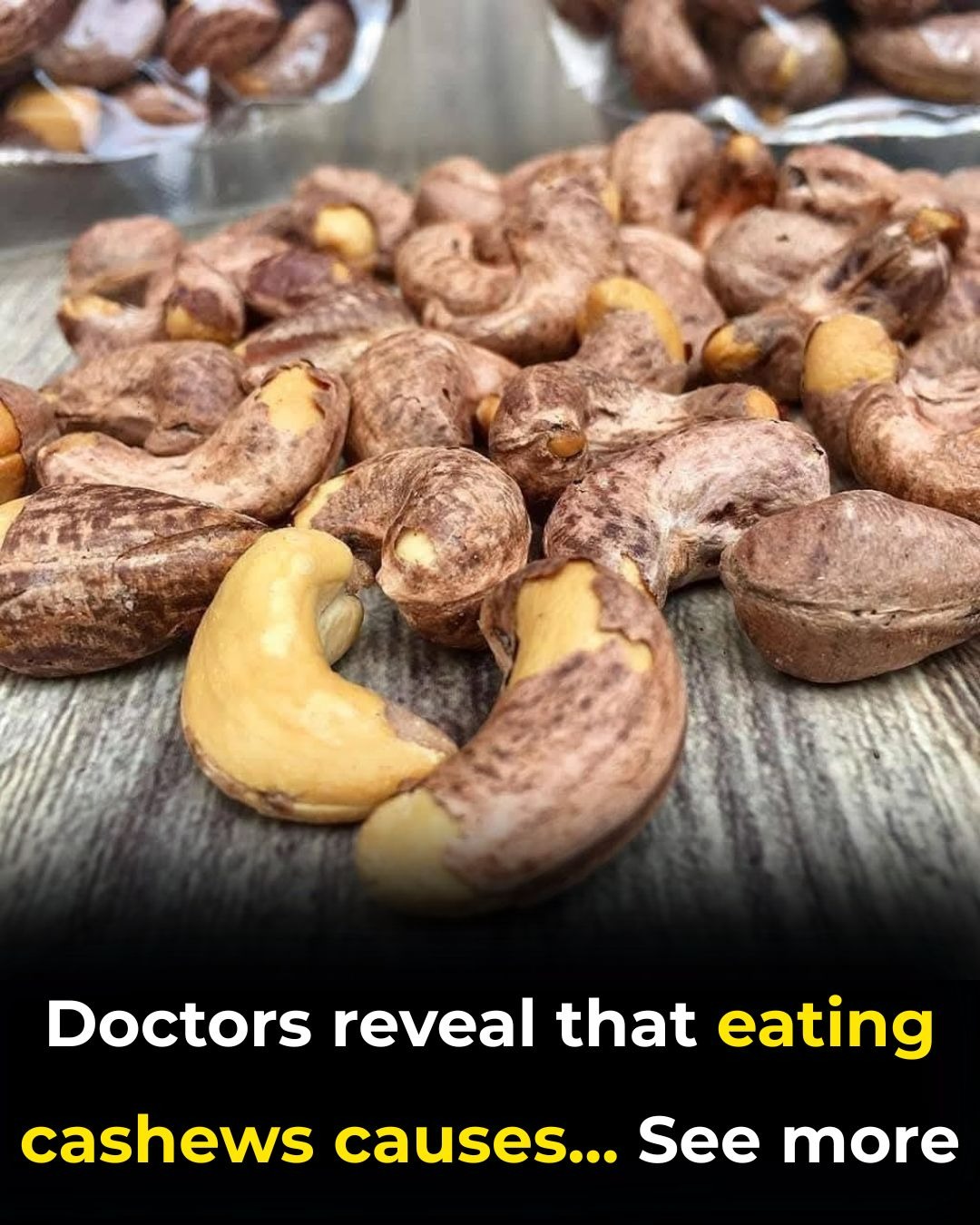
Doctors reveal that eating cashews regularly can:
- Support heart health
- Stabilize blood sugar
- Boost brain function
- Strengthen bones
- Support immunity
- Aid weight management
- Benefit skin health
It’s not a miracle food—but as part of a balanced diet, cashews are one of the most nutrient-dense, health-promoting snacks you can choose.
A handful a day might just be one of the simplest, most delicious things you can do for your health.