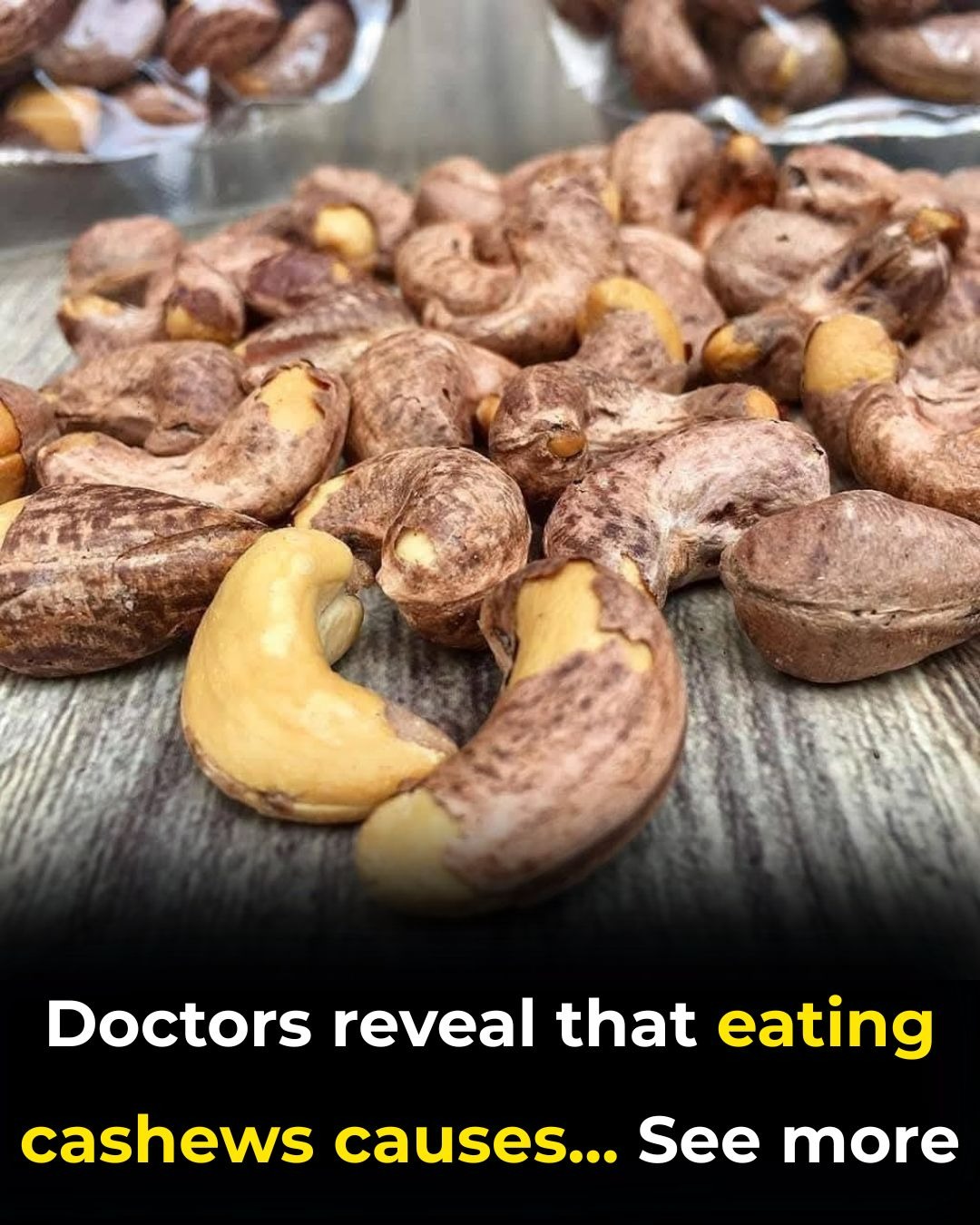
Despite their reputation as a “high-fat” food, cashews contain primarily heart-healthy monounsaturated and polyunsaturated fats. These fats are associated with:
- Lower LDL (“bad”) cholesterol
- Reduced inflammation
- Improved blood vessel function
The research: A 2018 study found that regular nut consumption (including cashews) was associated with a significantly lower risk of cardiovascular disease. The FDA even allows a qualified health claim for nuts stating that “eating 1.5 ounces per day of most nuts as part of a diet low in saturated fat and cholesterol may reduce the risk of heart disease.”
2. Your Blood Sugar May Stabilize
Cashews have a relatively low glycemic index compared to many snacks. The combination of healthy fats, protein, and fiber slows the absorption of carbohydrates, preventing sharp blood sugar spikes.
The research: A 2018 study in the Journal of Nutrition found that cashew consumption improved insulin sensitivity in people with type 2 diabetes. Another study showed that adding cashews to meals reduced the post-meal blood sugar response.
What this means: Cashews are an excellent snack choice for anyone concerned about blood sugar—including those with diabetes or prediabetes.
3. Your Brain Gets Essential Minerals
Cashews are exceptionally rich in copper—providing two-thirds of your daily needs in just one ounce. Copper is essential for:
- Maintaining nerve cells and their insulating sheaths
- Producing neurotransmitters (chemical messengers in the brain)
- Supporting energy production in brain cells
They’re also a good source of magnesium, which plays a role in brain plasticity—the brain’s ability to adapt and form new connections.
4. Your Bones May Strengthen
Cashews provide several minerals essential for bone health:
- Magnesium – Helps calcium absorption and activates vitamin D
- Manganese – Supports bone mineralization
- Phosphorus – A key component of bone structure
- Copper – Helps maintain collagen and elastin in bone tissue
The research: Adequate intake of these minerals is associated with higher bone density and reduced fracture risk, particularly in older adults.