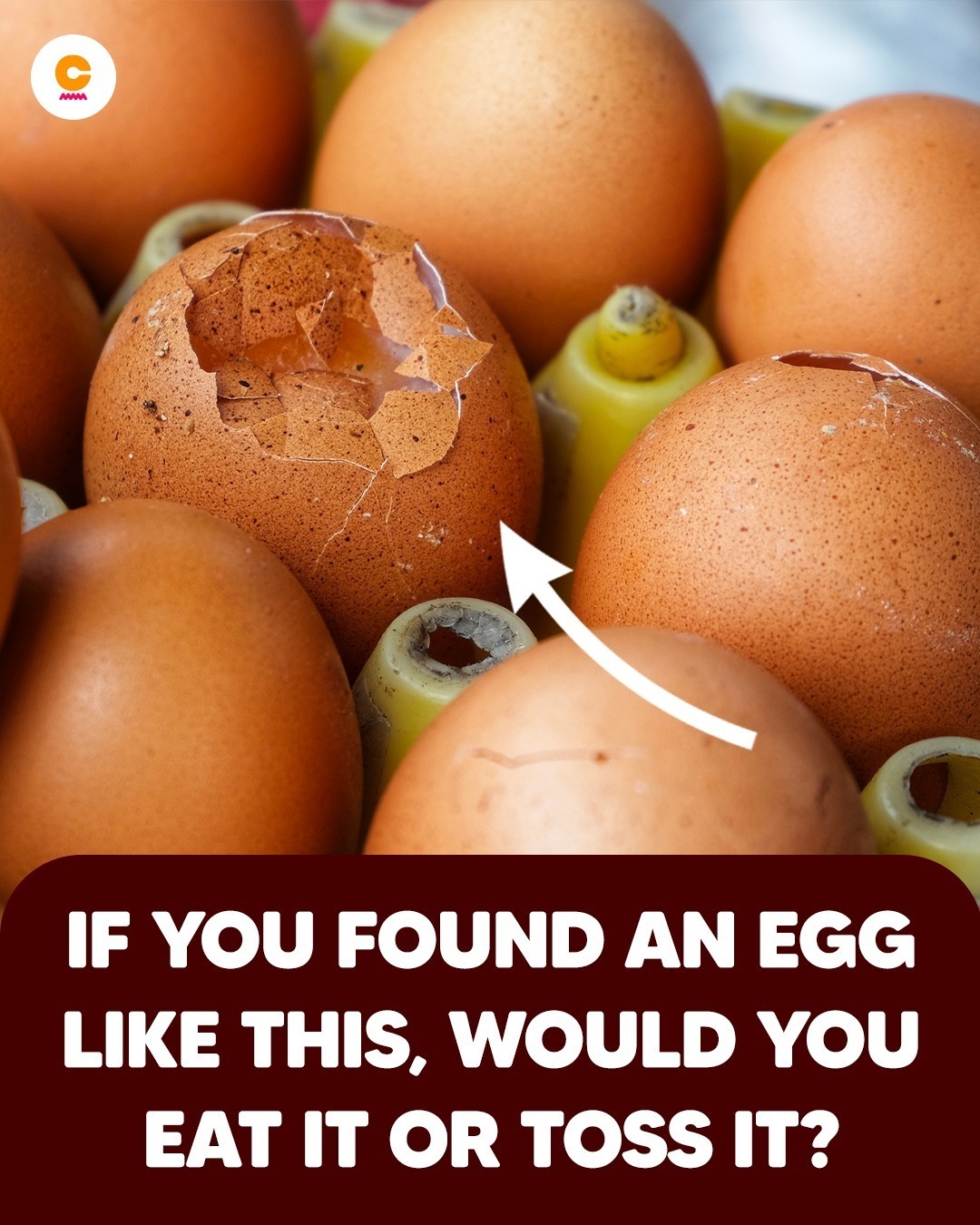
You open the package, take your egg and you realize that it is already broken: this is not a good sign, and it doesn’t matter if you suspect that you broke it during transport. You will never be sure that you didn’t buy it already broken, which is why it would be better to avoid using it, unless it was broken right when it was being prepared and consumed immediately, within a few hours at most. A broken egg, in fact, could have passed any germs and bacteria present on the shell inside the food, making it unsafe. For the same reason, it would be best to avoid using egg cartons to contain other food, especially if they contained eggs that were already broken: if the eggs were contaminated, the bacteria could remain on the carton. So yes to creative recycling to create handcrafted objects, no to reusing cartons for new eggs or other foods.
2. Do Not Break Eggs on The Edge of The Bowl or in The Pan
This is the most common mistake when breaking eggs and probably the hardest habit to break: breaking eggs on the edge of the bowl is something we all do to hurry. In reality, it is wrong, eggs should not be broken on the same container where you are going to work with them because it is almost inevitable that small or very small fragments of shell end up inside. The problem is not only that you would ingest them together with the eggs, but that they could still have bacteria present only in the shell that would contaminate the yolk and white. It is better to hit the egg on a flat surface on its widest part, in order to better distribute the force around the egg and create a uniform crack that leaves fewer fragments behind. The same goes for breaking the egg directly into the pan: better to avoid finding pieces of shell in your recipe!