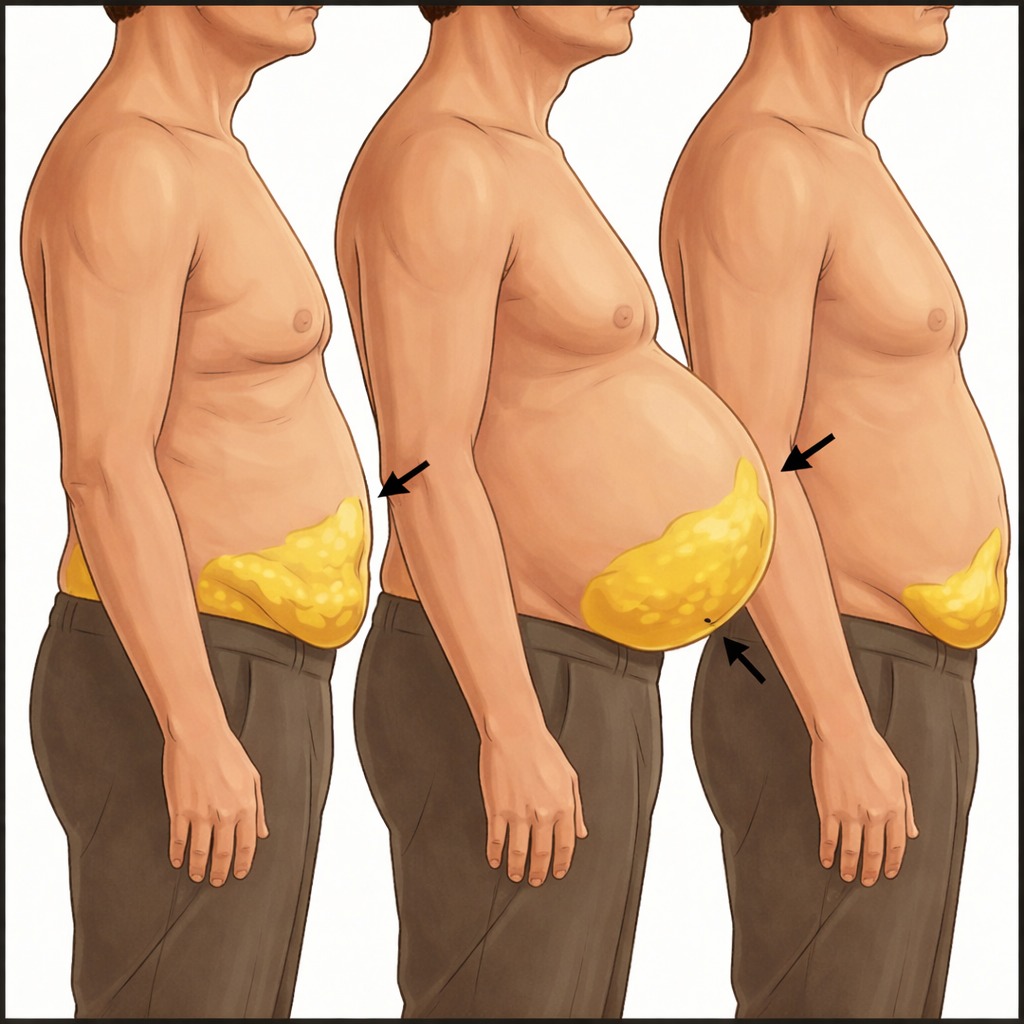
Chronic stress
Cortisol, known as the “stress hormone,” promotes fat storage in the abdominal area. When stress becomes constant, the body tends to prioritize this area for energy storage.
Hormonal imbalances
Hormonal changes, especially during menopause or andropause, can alter the distribution of body fat.
Modern food
Excessive consumption of sugary drinks, ultra-processed food, and refined carbohydrates promotes abdominal fat accumulation, especially visceral fat.
Lack of physical activity
A sedentary lifestyle decreases energy expenditure and reduces muscle mass, which facilitates fat storage.
Sleep quality
Sleeping too little alters hormones such as leptin and ghrelin, which are related to appetite, thus promoting abdominal weight gain.
Measurement that can guide you
Waist circumference is a simple but useful indicator. Measuring it at the level of the navel can provide an idea of metabolic risk. Higher values are often associated with a greater likelihood of cardiovascular disease and type 2 diabetes.
It’s not just about the weight on the scale, but how it’s distributed.
Tips and Recommendations
- Prioritize natural foods and reduce sugars and ultra-processed foods.
- Perform physical activity combining cardio and strength training.
- Sleep between 7 and 8 hours a day.
- Learn stress management techniques.
- Consult a healthcare professional if you notice sudden or persistent changes in your abdomen.
The shape of your belly can be a sign of how your body is functioning. Beyond appearance, understanding what it indicates allows you to make more informed decisions to improve your health and prevent long-term problems.