4. Vitiligo
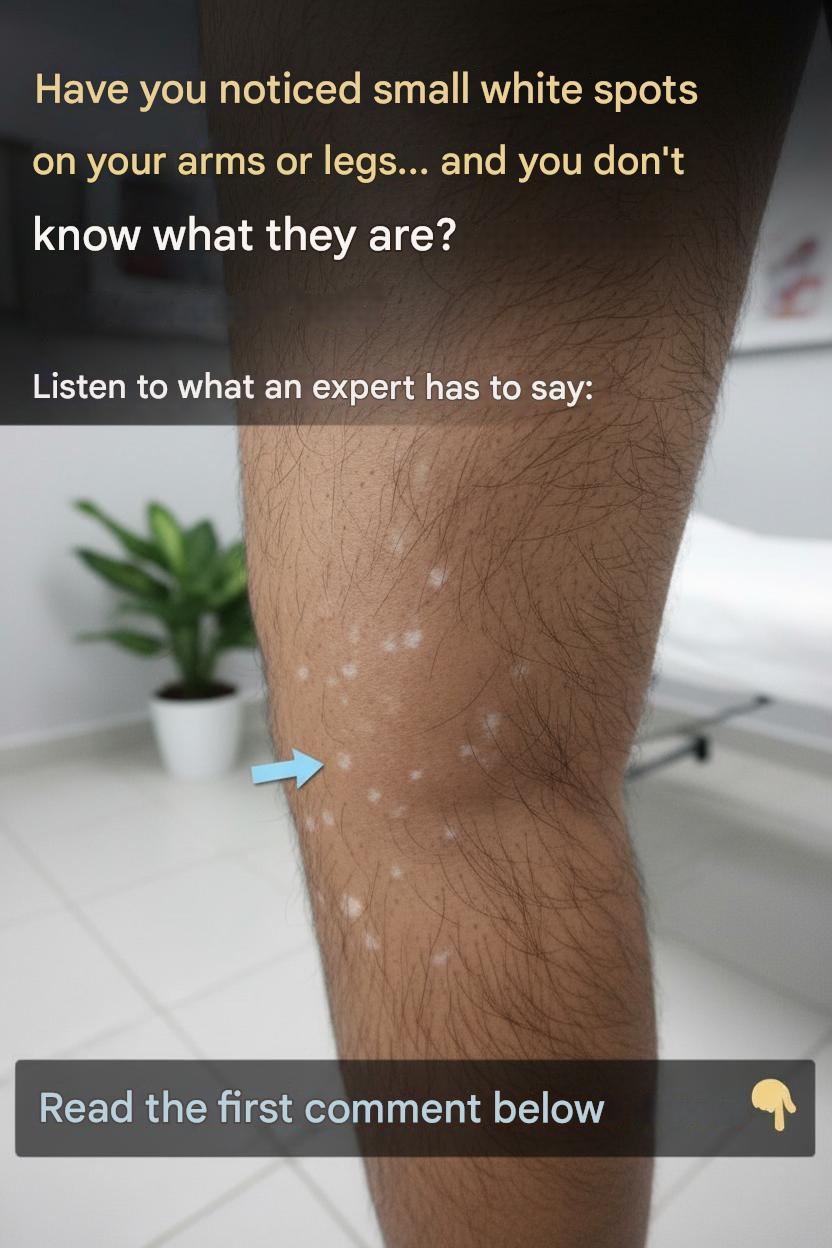
An autoimmune disease in which the immune system destroys melanocytes. It
presents as well-defined, often symmetrical white patches that may spread or merge.
It frequently appears on the hands, face, elbows, knees, or genitals.
It can begin at any age, often before 30–40 (although late-onset forms do exist).
5. Post-inflammatory hypopigmentation
Following an injury or inflammation: acne, burns, eczema, psoriasis, wounds, or dermatitis.
The healed skin appears lighter due to a temporary alteration of the melanocytes.
It often improves spontaneously over time with good sun protection.
Less frequent causes
- Specific bacterial or fungal infections (e.g., leprosy in endemic areas — rare).
- Nutritional deficiencies (vitamin B12, copper, zinc — uncommon).
- Medications (prolonged use of topical corticosteroids).
- Genetic disorders (partial albinism, piebaldism — rare).
- Lichen sclerosus or morphea (autoimmune diseases causing thickened white patches).