- In a small bowl, combine minced garlic, chopped rosemary, thyme, olive oil or butter, salt, and black pepper.
- Optional: Add Dijon mustard to create a slightly tangy crust.
- Rub the mixture generously over the entire surface of the roast, including under the fat cap and around bones if bone-in.
- Let the seasoned roast sit uncovered in the fridge for 2–12 hours to dry-brine, enhancing flavor and crust formation.
Tip: Dry-brining also improves the overall tenderness and depth of flavor.
Step 3: Preheat the Oven and Prepare Roasting Pan
- Preheat your oven to 450°F (230°C) for initial searing.
- Place a rack in a roasting pan to elevate the roast, allowing air to circulate and fat to drip below.
- Insert a small pan of water or stock in the bottom of the pan if desired for moisture in the oven.
Note: Searing at high heat initially locks in juices and helps create a flavorful crust.
Step 4: Roast at High Heat (Initial Sear)
- Place the prime rib in the oven and roast at 450°F for 20–30 minutes, depending on the roast size.
- This step creates a beautiful golden crust on the exterior.
- After the searing period, reduce the oven temperature to 325°F (163°C) for the remainder of the cooking.
Tip: Use the oven’s middle rack for even heat distribution.
Step 5: Roast Until Desired Doneness
- Insert a meat thermometer into the thickest part of the roast, avoiding bones.
- Roast until internal temperature reaches:
- Rare: 120–125°F (49–52°C)
- Medium-rare: 130–135°F (54–57°C)
- Medium: 140–145°F (60–63°C)
- Medium-well: 150–155°F (65–68°C)
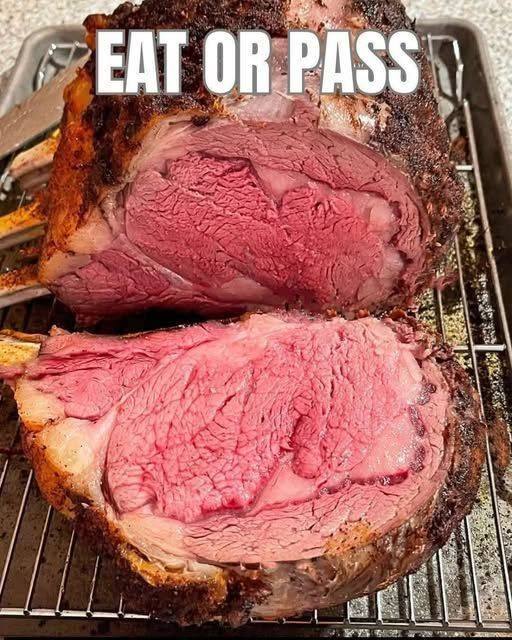
- Remove the roast 5–10°F below desired final temperature, as carryover cooking will raise it during resting.
Tip: Medium-rare is recommended for prime rib; it maintains tenderness and juiciness.
Step 6: Resting the Prime Rib
- Remove the roast from the oven and place it on a cutting board.
- Tent loosely with aluminum foil and rest for 20–30 minutes.
- Resting allows juices to redistribute, preventing a dry roast when sliced.
Pro Tip: Avoid slicing immediately; the meat will release juices if cut too soon.
Step 7: Prepare the Au Jus
- Place the roasting pan over medium heat on the stovetop (or transfer drippings to a saucepan).
- Deglaze with red wine, scraping up browned bits.
- Add beef broth and simmer for 5–10 minutes.
- Optional: Thicken with a slurry of flour or cornstarch and water if desired.
- Season with salt and pepper to taste.
Tip: Homemade au jus is superior to pre-packaged sauces; the drippings contain concentrated flavor from the roast.