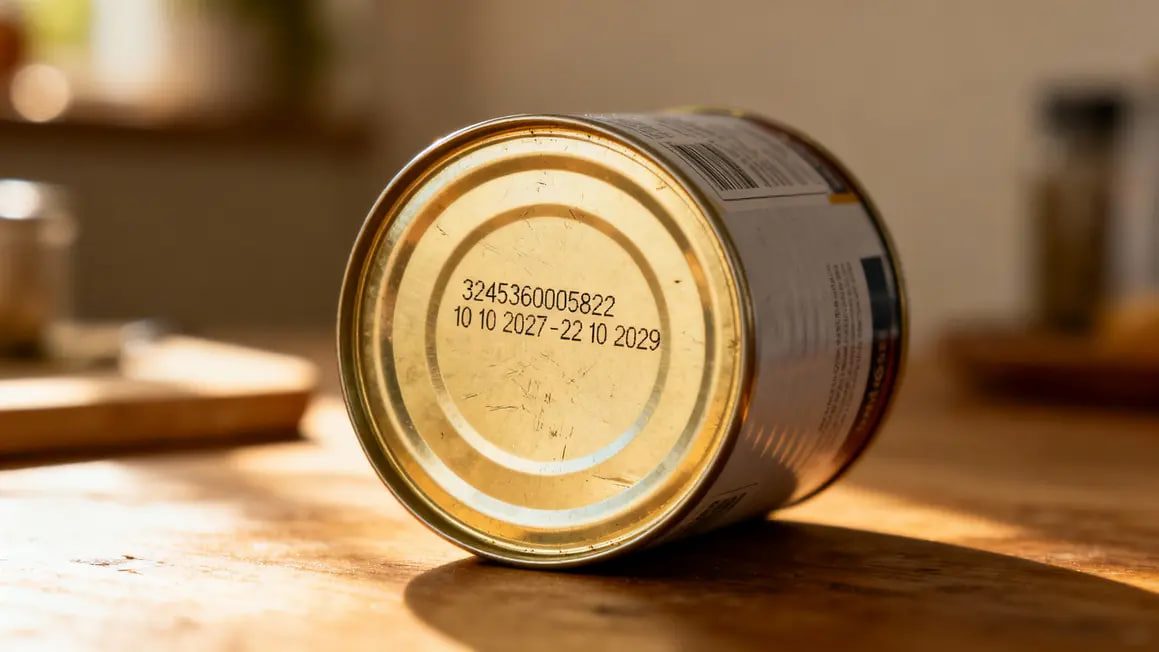
Look: Check for bulging lids, rust, dents (especially along seams), or leakage.
Smell: If you notice sour, metallic, or rotten odors, discard the item.
Taste: If the can looks and smells normal, taste a small amount. If it tastes off, do not eat it.
Storage Matters: How to Extend the Life of Your Food
Proper storage greatly affects shelf life:
Temperature: Store in a cool (50–70°F), dry place.
Humidity: Keep cans away from damp basements or warm garages.
Light: Avoid direct sunlight, which can degrade flavor and nutrients.
With proper storage, many canned foods remain safe and usable long after their suggested dates.
The Environmental and Economic Cost of Food Waste
Discarding food that is still safe to eat affects both your wallet and the environment. In the United States, more than 30% of all food is wasted annually, contributing to landfill overflow and greenhouse gas emissions. Misunderstanding date labels is a significant factor in this problem.
Tips to Reduce Food Waste Through Better Label Awareness
Do not panic over dates—they generally indicate quality, not safety.
Rotate pantry items using FIFO (First In, First Out).
Buy only what you need, especially perishable items.
Donate non-perishable foods nearing their “Best By” date to local food banks if you will not use them.
Conclusion: Be Smart About Shelf Life