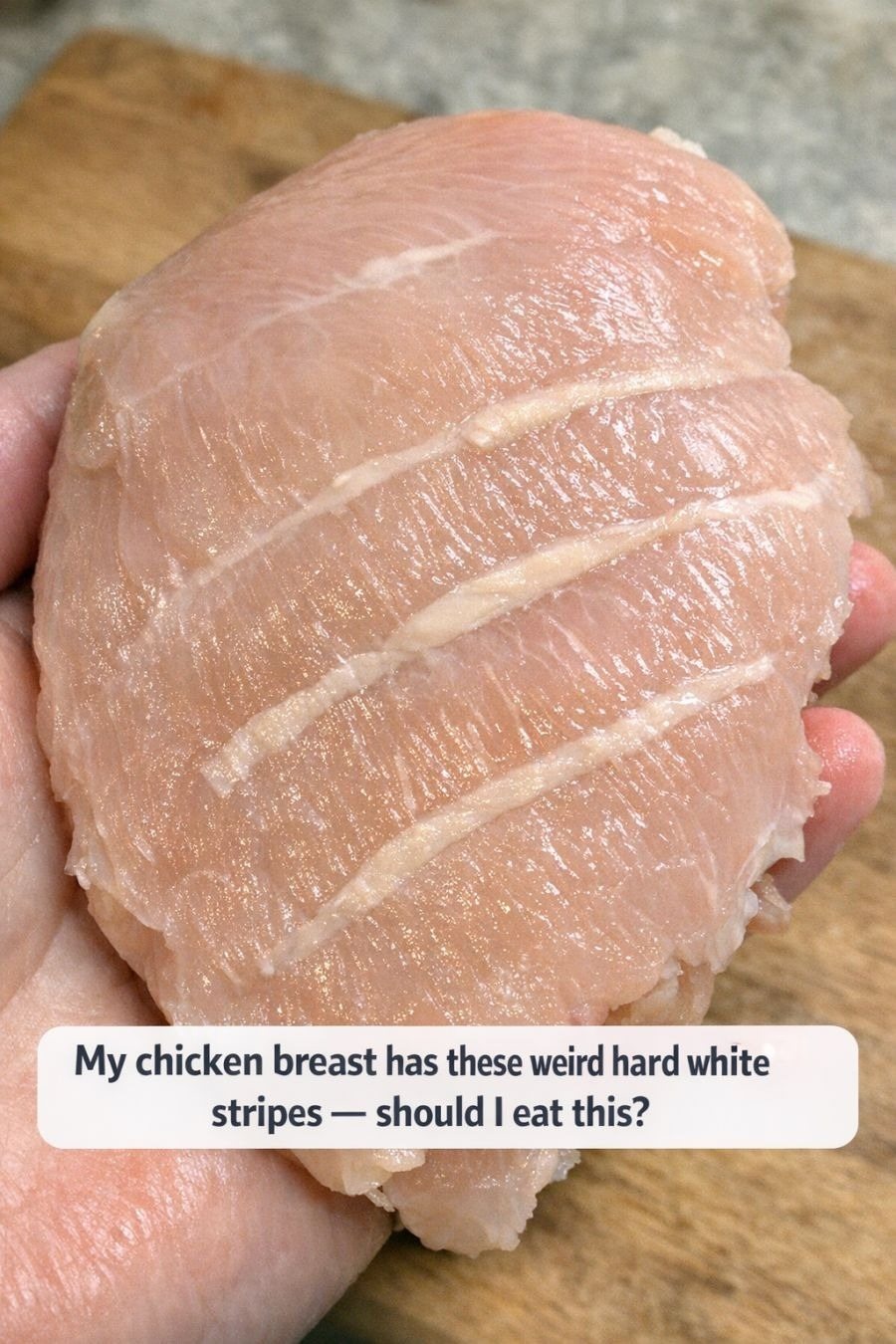
8. Should You Feed Striped or Woody Chicken to Kids or Pets?
Chicken with white striping is generally safe for both children and pets to consume. However, due to its altered texture and higher fat content, it may not be the best choice for those with specific dietary needs or preferences.
For pets, especially dogs, remove any bones and cook the chicken thoroughly before serving. For children, consider using cooking methods that improve the texture, making it easier for them to chew and digest.
9. Why This Is Happening: Modern Farming and Fast-Growth Chickens
The prevalence of white striping and woody breast syndrome is largely attributed to modern industrial farming practices. Chickens are bred to grow rapidly and achieve market weight quickly, often reaching five pounds in just 5-7 weeks.
This rapid growth puts a strain on the chicken’s muscle development, leading to conditions like white striping. As consumers, understanding the impact of farming practices on food quality can help make more informed purchasing decisions.
10. What to Buy Instead: Labels, Brands, and Cuts That Avoid the Problem
To avoid white striping, consider purchasing chicken labeled as organic, free-range, or pasture-raised. These chickens are typically raised with slower growth practices, reducing the likelihood of muscle disorders.
Brands that prioritize animal welfare and sustainable farming practices are also less likely to produce chicken with white striping. Additionally, choosing smaller cuts or whole chickens may help avoid these issues.
11. How to Push for Better Chicken: Questions to Ask and Changes to Support
Consumers can advocate for better chicken quality by asking retailers and producers about their farming practices. Inquire about growth rates, animal welfare standards, and the types of feed used.
Supporting policies and initiatives that promote sustainable agriculture and improved animal welfare can also drive change in the industry. By choosing to purchase from brands that prioritize these values, consumers can encourage a shift towards higher quality, healthier chicken in the market.