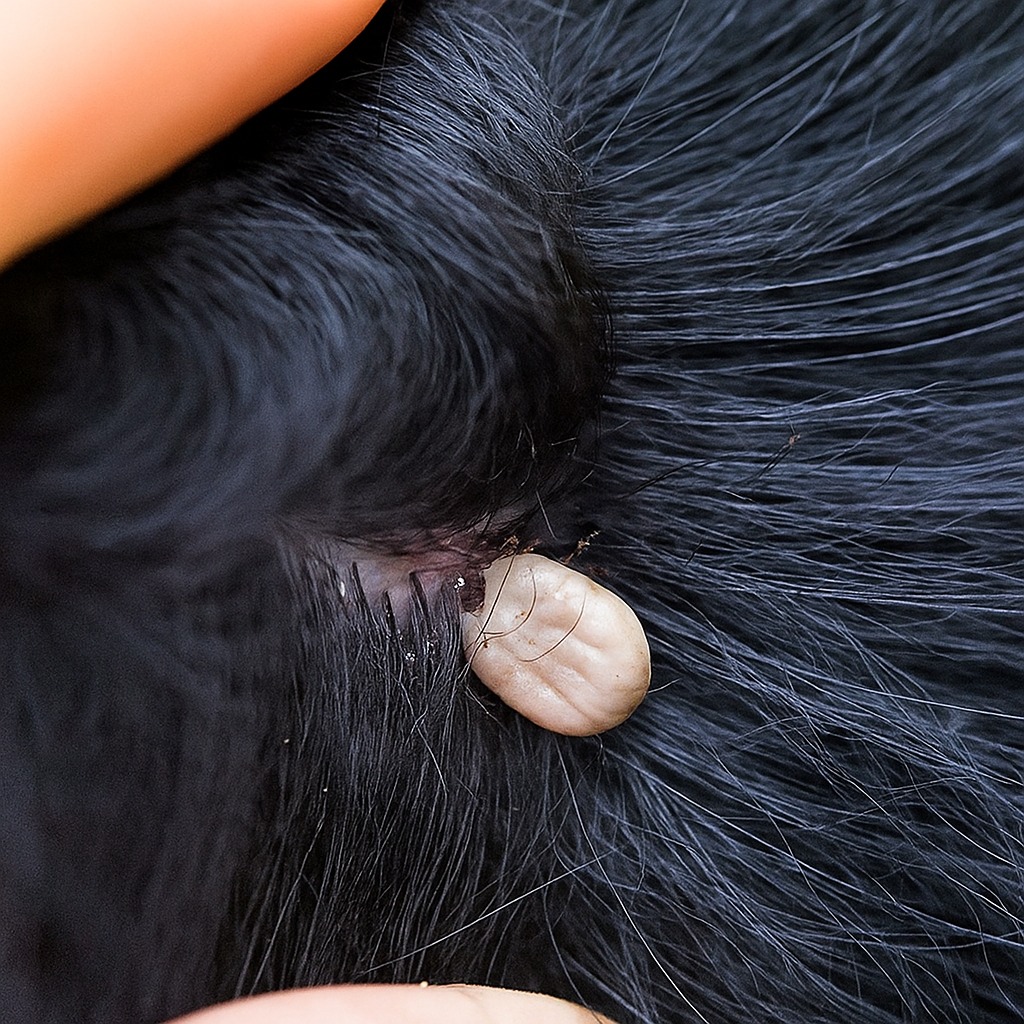
The first step is to look closely . Is it something that moves? Do they look like small eggs stuck to the hair? Is there itching, redness, or bumps?
🕵️♀️ Use a magnifying glass if necessary. If you see small white or gray dots stuck close to the scalp, they could be nits (lice eggs). If there’s something that crawls or looks like a dark dot, you could have lice or mites.
Write down what you see, take photos if you can, and observe if there are any other symptoms.
2. 🪳 Lice and mites: the most common visitors
- Lice : These are wingless insects, 2 to 3 mm long, that feed on blood from the scalp. They cause intense itching.
- Nits : These are the eggs of lice. They look like small white shells stuck to the hair, close to the scalp.
- Mites (like scabies) : Although they don’t live in the hair, they can affect the scalp, especially in babies. They cause intense itching and rashes.
3. 🔍 How to identify if there are mites?
Mites are microscopic. Scabies usually causes a rash with small bumps, especially behind the ears, on the neck, and on the hands.
❗ If your child scratches desperately, especially at night, and has red or swollen areas, it could be an infestation.
4. 👀 Symptoms you should pay attention to
- Persistent itching
- Bumps or rashes on the scalp or neck
- Small white eggs in the hair
- Difficulty sleeping due to discomfort
- Scabs or sores from scratching
5. 🧴 Home remedies and popular hacks (with caution)
Some common home remedies that people try:
- Olive oil or mayonnaise : to suffocate lice before using a fine-toothed comb
- Tea tree essential oil : popular for its repellent properties
- Fine-toothed comb (nit comb) : essential for manually removing lice and nits
⚠️ Always test on a small area before applying anything new to the scalp. And if your child has sensitive skin or allergies, it’s best to consult a doctor first.